8MCP Outbound Terminal Playbook


What’s Inside the Playbook
This playbook breaks down how to design and operate an MCP-powered outbound terminal.
Inside the playbook, you’ll learn how to:
- Build an outbound “terminal layer” using MCP for orchestration
- Connect AI agents, CRM, enrichment tools, and outbound platforms into one system
- Execute outbound actions (research, messaging, follow-ups) from a unified interface
- Maintain persistent context and memory across outbound workflows
- Replace fragmented dashboards with command-driven execution
- Scale outbound operations without increasing tool complexity
MCP acts as a universal bridge that allows AI systems to securely interact with tools and execute workflows in real time.
Who Will Benefit Most From This Playbook
If your outbound stack feels fragmented, slow, or overly tool-dependent, this playbook provides a system to centralize execution.
Why This Playbook Matters
Most outbound systems fail because execution is spread across too many disconnected tools.
CRMs, sequencers, enrichment platforms, and outreach systems operate in silos—creating delays, inconsistencies, and poor visibility.
The MCP outbound terminal approach focuses on:
- One command layer instead of multiple tools
- Real-time orchestration across systems
- Context persistence across workflows
- AI agents that execute, not just assist
This playbook helps teams build a true outbound operating system that improves speed, control, and pipeline quality.

AI Outbound System
Learn the full workflow for AI-powered outbound from signal-based prospecting to multi-touch automation and smart follow-ups designed to book meetings at scale.
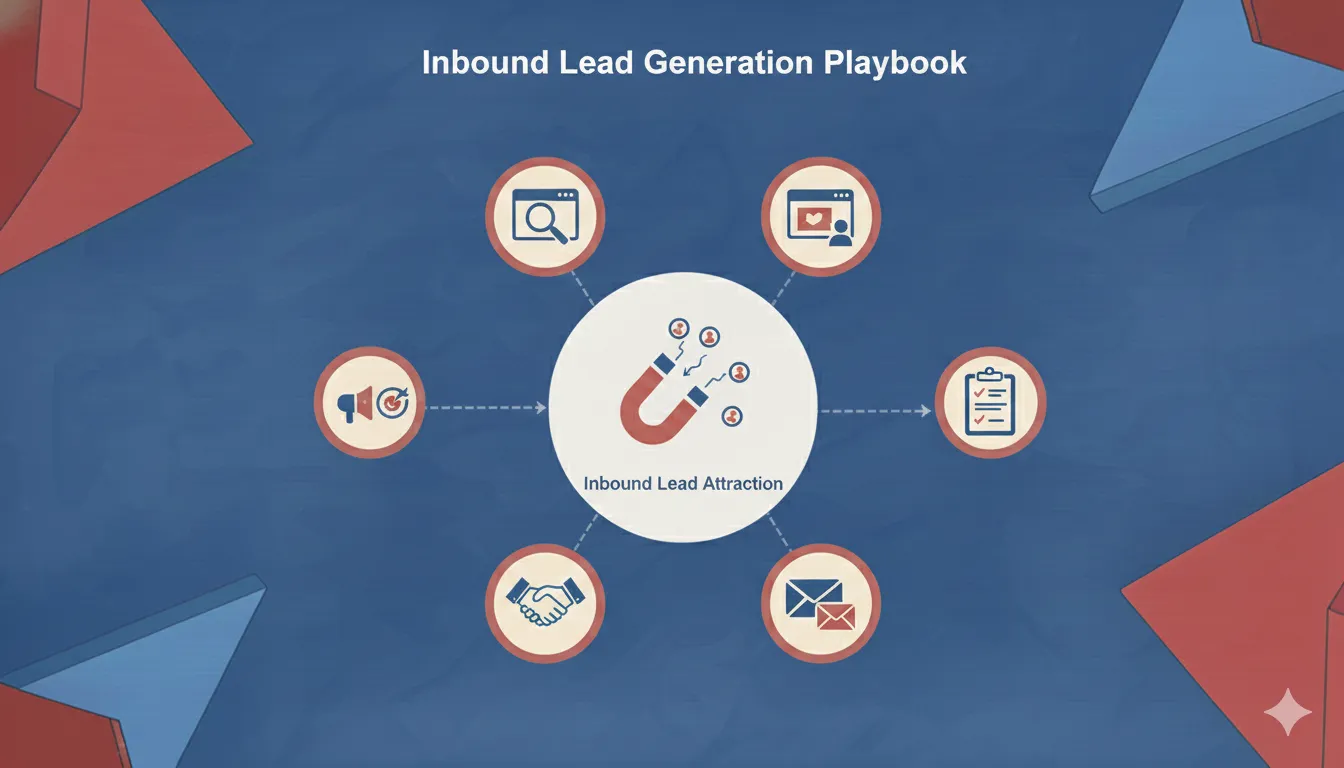
Inbound Lead Generation Playbook
The Signal-Based Inbound Lead Generation Playbook is a practical guide to building an inbound engine that goes beyond form fills and page views.
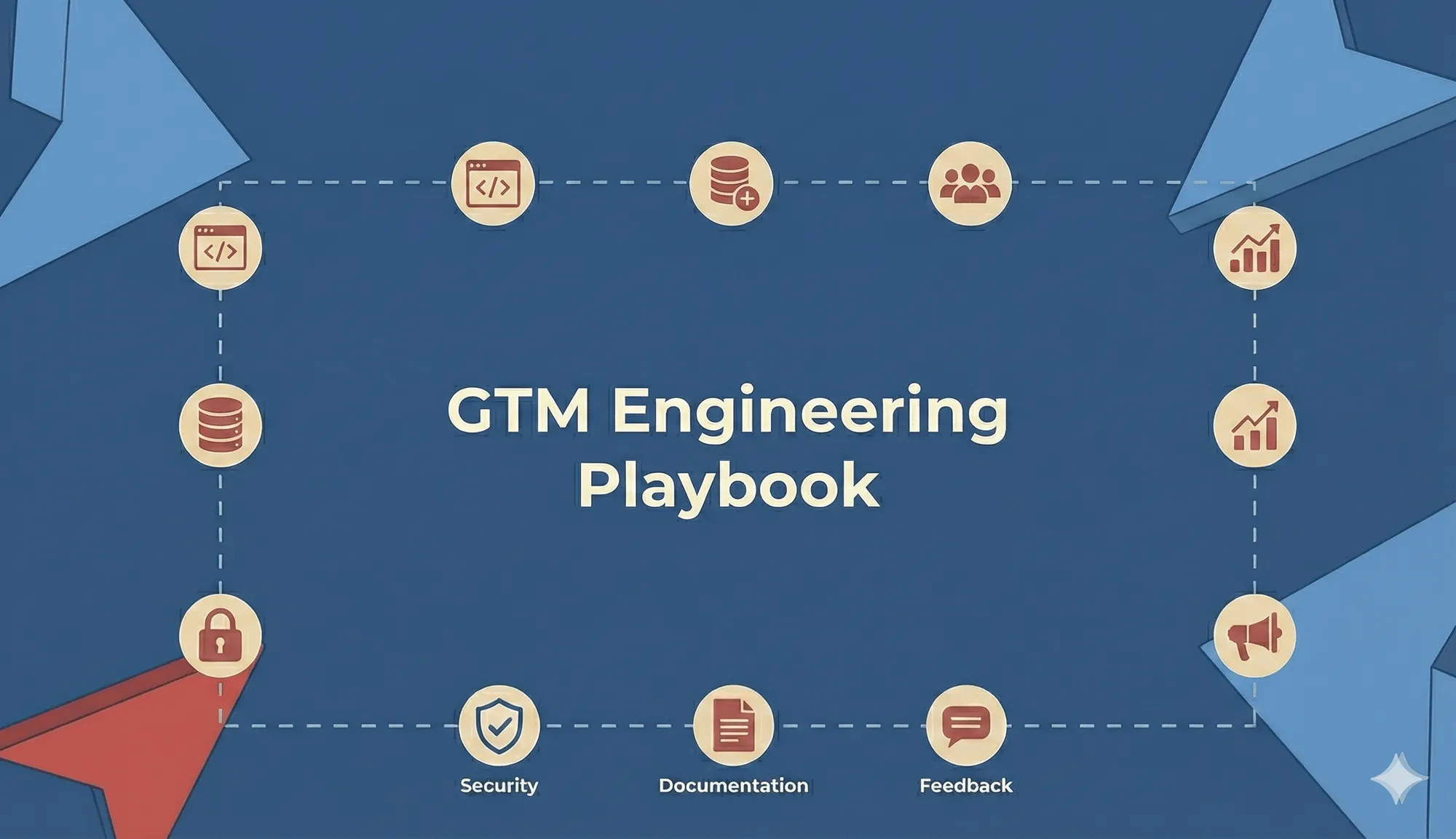
GTM Engineering Playbook
The GTM Engineering Playbook is a practical guide to building go-to-market systems with the same rigor as product and engineering teams.
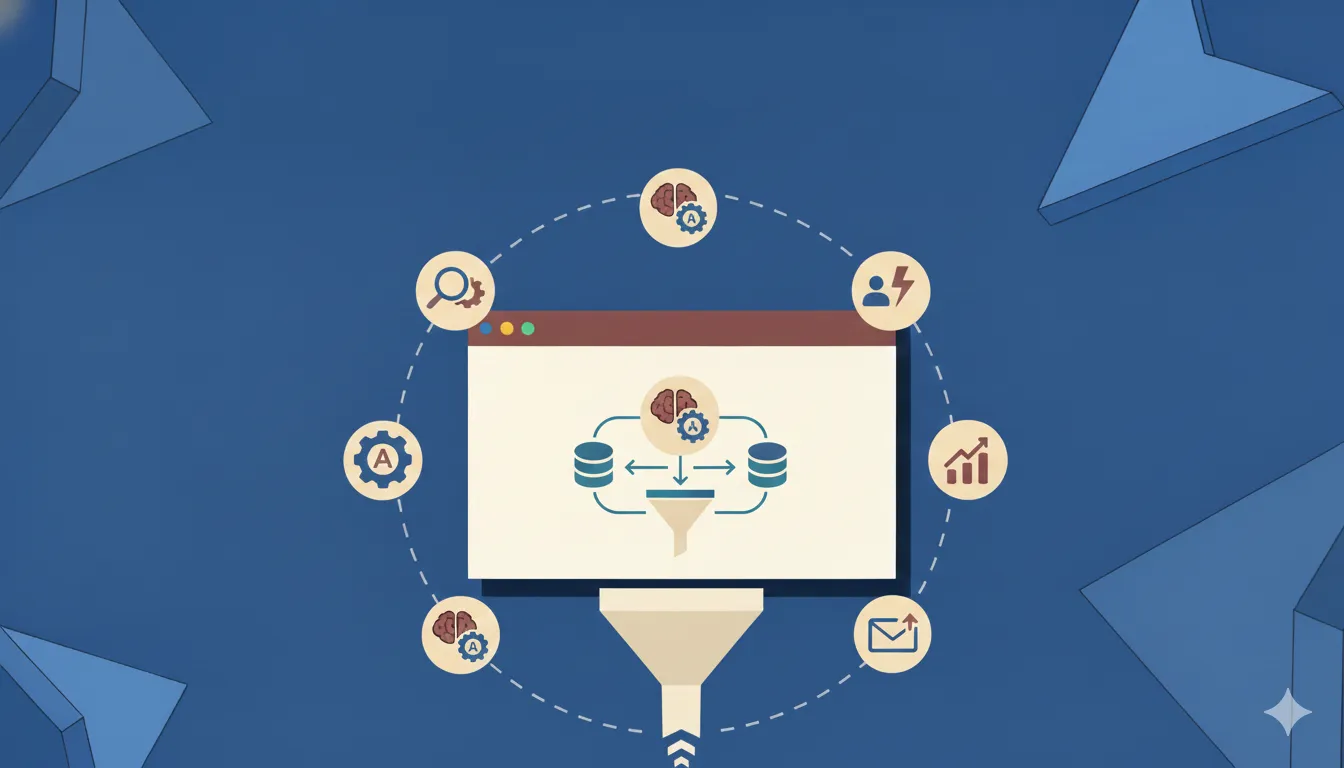
AI SDR Engine
Build your AI SDR engine from the ground up. Automate discovery, qualification, and outreach using AI-driven workflows built for predictable, scalable pipeline.
Book Your Free GTM Audit
Replace manual prospecting with intelligent automation.
Let your sales team focus on closing.