Claude SCHEDULE Playbook


What’s Inside the Playbook
This playbook breaks down how to design an AI-powered scheduling system for modern GTM environments.
Inside the playbook, you’ll learn how to:
- Use AI to manage scheduling logic across tasks and workflows
- Coordinate inbound, outbound, SDR, and sales activities dynamically
- Prioritize execution based on signals, urgency, and dependencies
- Replace static task lists with adaptive scheduling frameworks
- Align team activity with GTM priorities automatically
- Reduce coordination overhead across teams and tools
- Design systems for AI workflow orchestration across GTM tasks, teams, and dependencies
All frameworks are designed to integrate with AI agents, RevOps systems, and automation layers.
.webp)
Who Will Benefit Most From This Playbook
If your team struggles with task overload, missed priorities, or coordination gaps, this playbook provides a structured system to manage execution flow.
Why This Playbook Matters
Most teams treat scheduling as a calendar function rather than an execution system.
This leads to misalignment between priorities and actions, delayed decisions, and fragmented workflows.
The AI-driven scheduling approach focuses on:
- Dynamic prioritization instead of fixed schedules
- Context-aware task coordination
- Alignment between planning and execution
- Continuous adjustment based on real-time inputs
This playbook helps teams build a central execution layer that keeps GTM activity aligned and responsive through strong GTM workflow coordination.

AI Outbound System
Learn the full workflow for AI-powered outbound from signal-based prospecting to multi-touch automation and smart follow-ups designed to book meetings at scale.
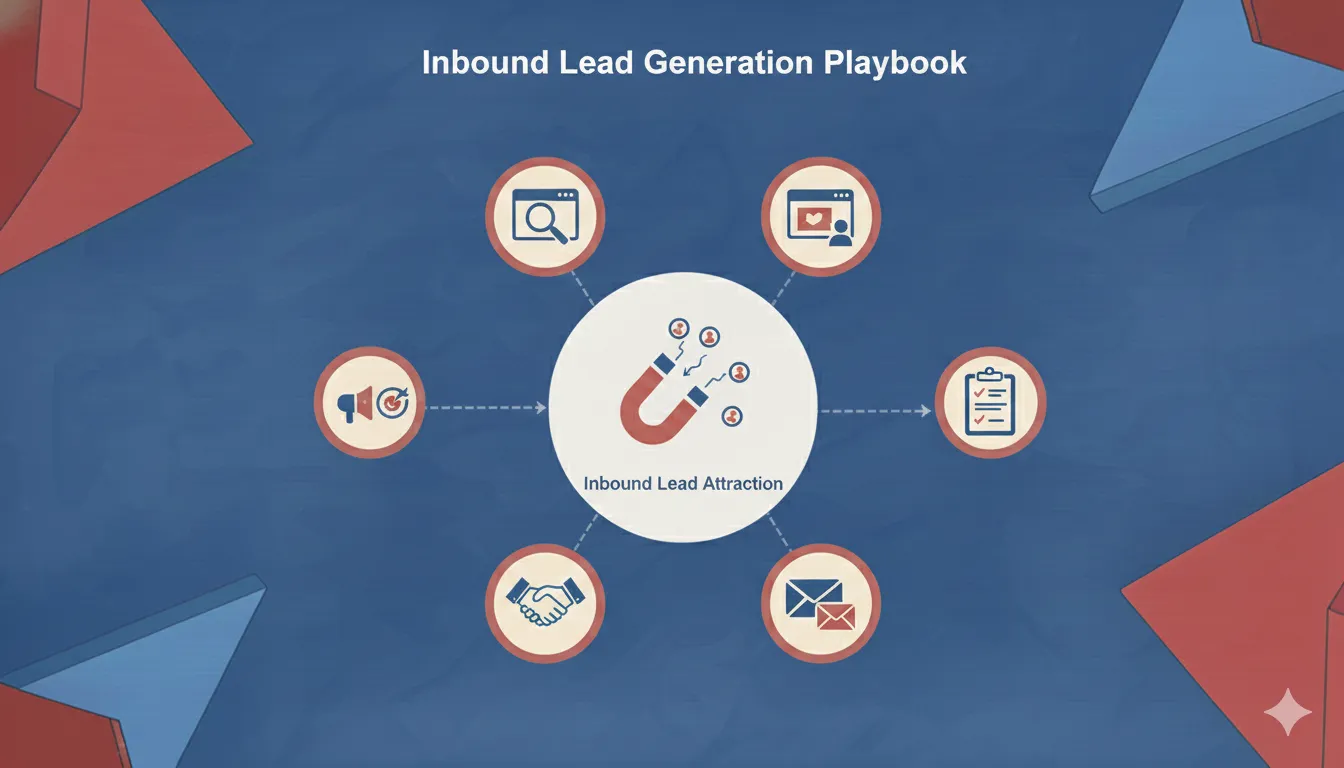
Inbound Lead Generation Playbook
The Signal-Based Inbound Lead Generation Playbook is a practical guide to building an inbound engine that goes beyond form fills and page views.
GTM Engineering Playbook
The GTM Engineering Playbook is a practical guide to building go-to-market systems with the same rigor as product and engineering teams.
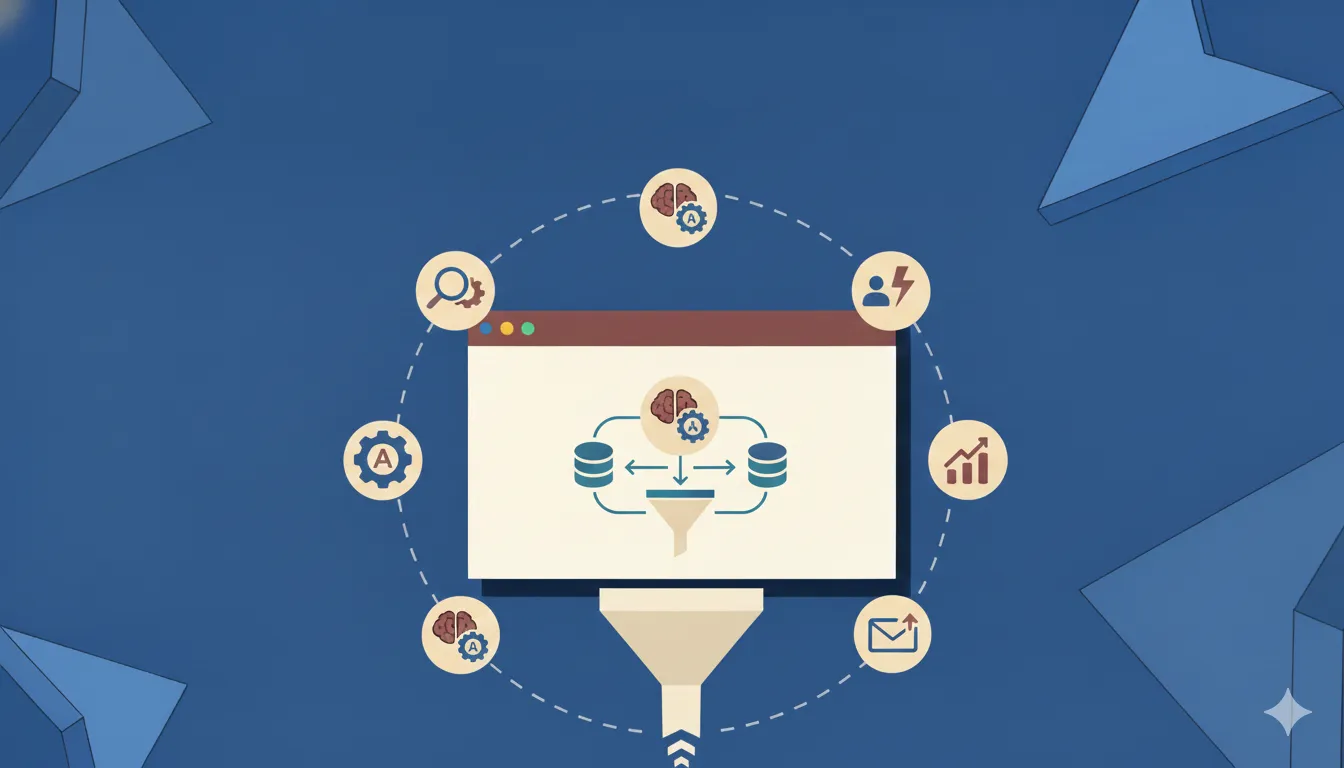
AI SDR Engine
Build your AI SDR engine from the ground up. Automate discovery, qualification, and outreach using AI-driven workflows built for predictable, scalable pipeline.
Book Your Free GTM Audit
Replace manual prospecting with intelligent automation.
Let your sales team focus on closing.