The best ZoomInfo alternatives in 2026 are Apollo, Cognism, Lusha, Clay, Clearbit (now Breeze Intelligence), Seamless.ai, RocketReach, Lead411, Kaspr, and UpLead. Each offers B2B contact and company data at a lower entry price or with more flexible contracts than ZoomInfo, but they differ sharply on coverage depth, compliance posture, and how they charge. The right pick depends on your region, your data volume, and whether you want a single platform or a flexible enrichment layer you assemble yourself.
Teams leave ZoomInfo for predictable reasons: multi-year contracts, steep annual minimums, aggressive auto-renewal terms, and per-credit costs that climb as you scale. The good news is that the B2B data market has fragmented into specialists. Some tools win on European mobile coverage, some on email accuracy, some on price, and some on flexibility. This guide breaks down ten credible options so you can match a provider to how your team actually prospects.
Why Teams Look for ZoomInfo Alternatives
ZoomInfo remains one of the deepest B2B databases on the market, with strong intent data, org charts, and technographics. That depth comes at a cost. According to ZoomInfo's own public SEC filings, the company serves tens of thousands of customers and reports average contract values well into five figures, which signals that the platform is priced for mid-market and enterprise buyers rather than lean teams.
The friction points are consistent across review sites. Buyers cite annual commitments, credit caps that throttle usage mid-quarter, and renewal negotiations that feel adversarial. For a seed-stage startup running outbound to a few thousand accounts, that pricing model rarely pencils out. The alternatives below let you start smaller, pay monthly in many cases, and avoid locking spend before you have validated your motion.
Data quality is the other half of the equation. No single vendor has perfect coverage. Email and phone accuracy degrade constantly as people change jobs, so the smartest teams now treat data as a layered problem rather than a single-vendor purchase. That shift is what makes the waterfall approach, covered later, so popular.
The 10 Best ZoomInfo Competitors in 2026
1. Apollo.io
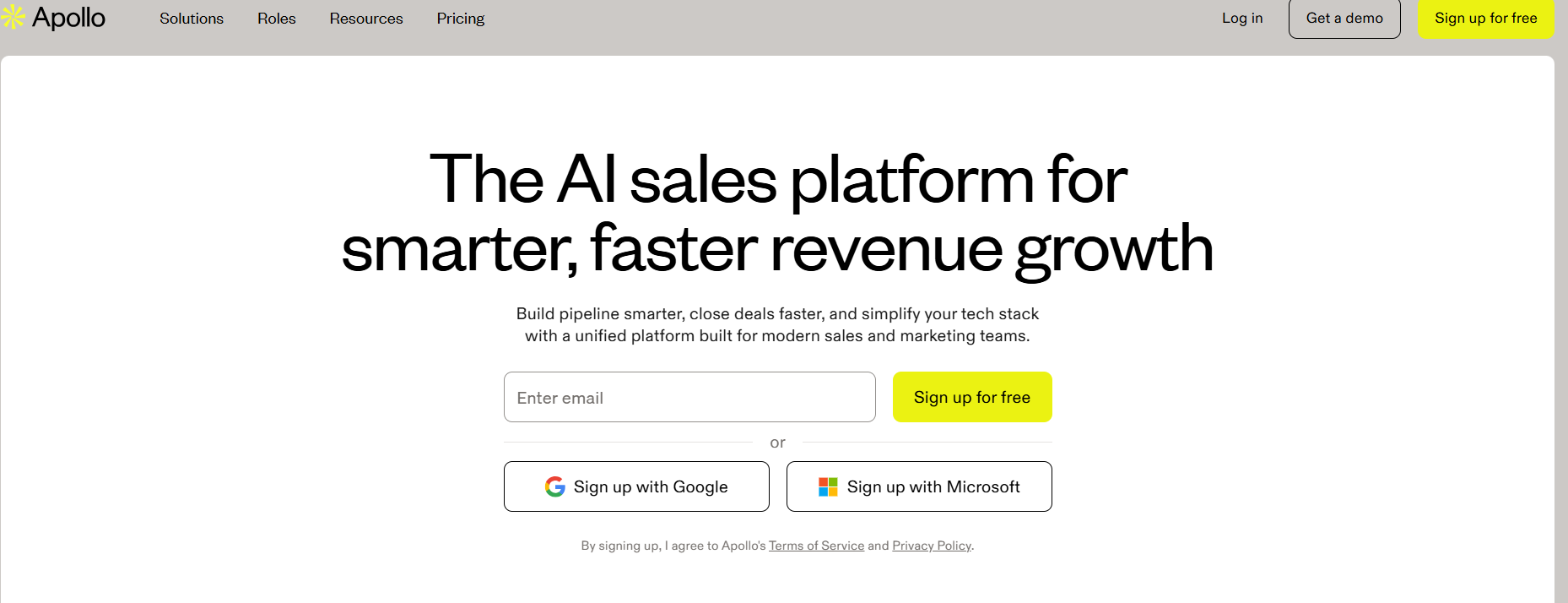
Apollo is the most common first stop for teams running the ZoomInfo-vs-Apollo comparison. It bundles a large contact database with sequencing, a dialer, and a Chrome extension into one platform, so it doubles as a lightweight sales engagement tool. Apollo publishes transparent, self-serve tiers including a free plan, which makes it easy to test before committing. Approximate pricing starts in the low tens of dollars per user per month, though you should check current pricing as plans change often. Best fit: startups and SMB sales teams that want database plus outreach in one bill.
2. Cognism
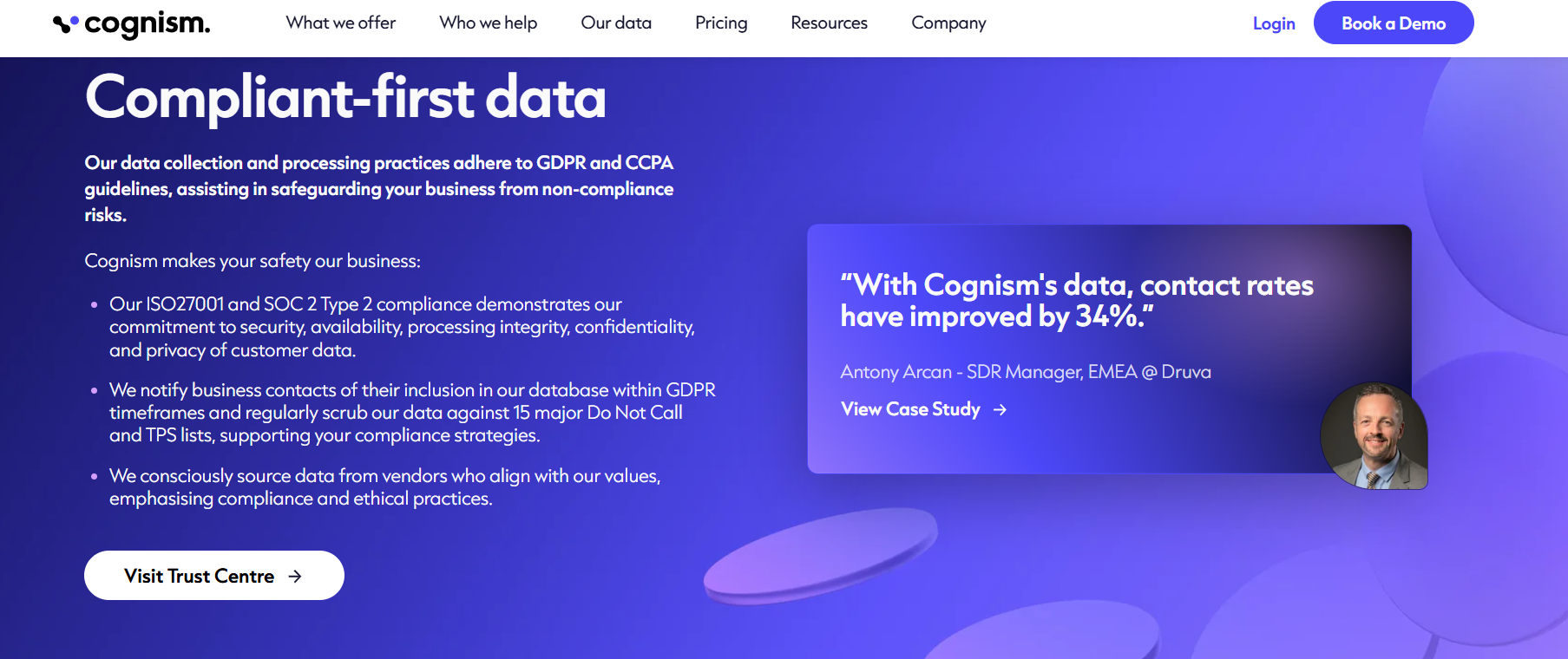
Cognism is the standout for European and EMEA coverage, with strong mobile phone data and a compliance posture built around GDPR. Its Diamond Data phone verification and DNC-list screening make it a favorite for teams that cold-call into the UK and Europe, where compliance exposure is real. Cognism is typically sold via annual contracts with custom pricing, so it sits closer to ZoomInfo on the commitment spectrum than to self-serve tools. Best fit: outbound teams selling into Europe that need verified mobiles and defensible compliance.
3. Lusha
Lusha is a lightweight, easy-to-adopt option known for its browser extension and quick contact lookups on LinkedIn. It offers a free tier and transparent paid plans, making it accessible for individual reps and small teams. Coverage is solid for direct dials and emails but shallower than ZoomInfo on firmographics and intent. Approximate pricing is per-user with monthly options available; verify current credits before buying. Best fit: individual reps and small teams who want fast, in-browser enrichment without a platform learning curve.
4. Clay
Clay is not a database. It is an orchestration and enrichment layer that connects dozens of data sources, including many on this list, and runs them in sequence. This is the engine behind the modern waterfall enrichment strategy: query the cheapest source first, fall through to the next only when a record is missing, and pay for data only when you find it. Clay also layers in AI research and scraping. Pricing is credit-based and scales with usage. Best fit: ops-minded GTM teams that want to combine multiple providers and only pay for hits.
5. Clearbit (Breeze Intelligence)
Clearbit was acquired by HubSpot and is now folded into Breeze Intelligence. Its strength has always been real-time enrichment via API and form-shortening for inbound, rather than bulk list-building for outbound. If you live in HubSpot, the native integration is the draw. Pricing is now tied to HubSpot's credit and tier structure, so check current packaging. Best fit: HubSpot-centric teams that want to enrich inbound leads and website visitors automatically.
6. Seamless.ai
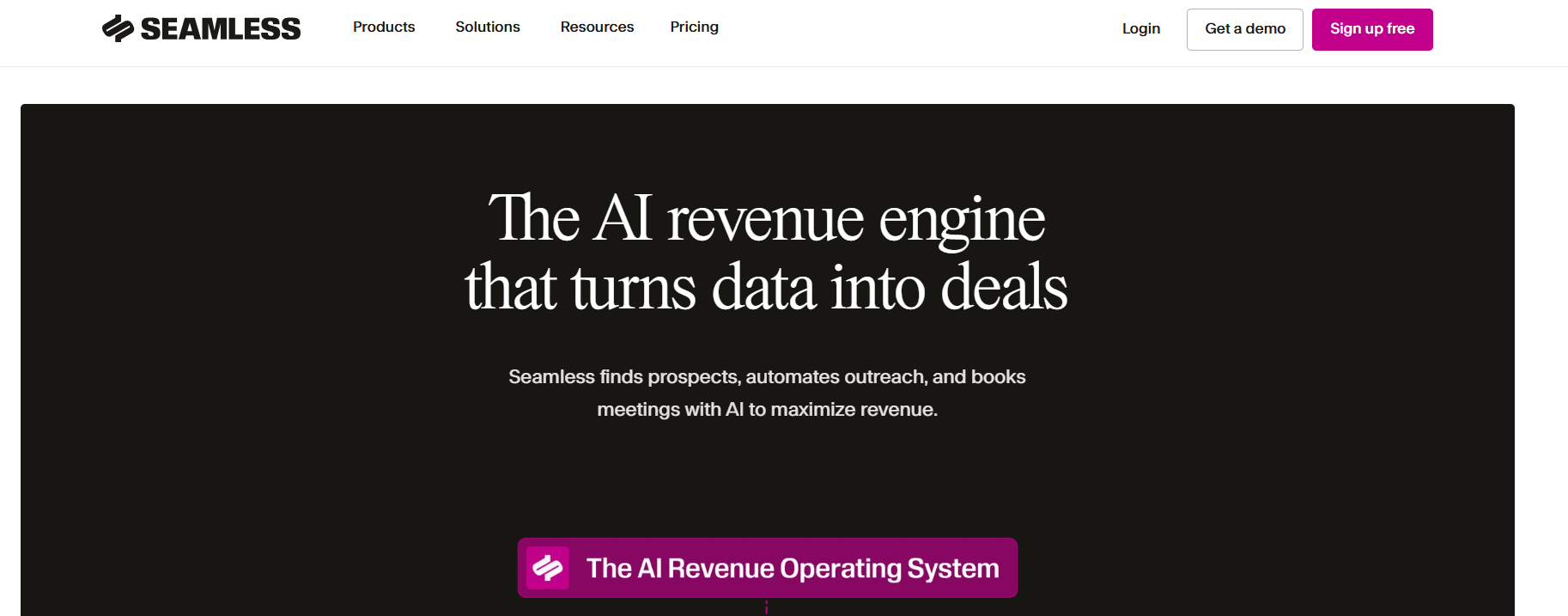
Seamless.ai markets itself on real-time, AI-driven contact search and an aggressive free trial. It can surface a high volume of contacts quickly, which appeals to high-velocity outbound teams. Reviews are more mixed on data accuracy and on contract and renewal experience, so test the data against your own known accounts before scaling spend. Pricing is credit-based with annual plans common. Best fit: high-volume outbound teams that prioritize contact quantity and will verify before sending.
7. RocketReach
RocketReach is a straightforward contact-finder with a very large indexed pool of professionals and a simple per-lookup model. It is popular with recruiters and individual prospectors who need occasional email and phone lookups rather than a full GTM database. Self-serve plans are transparent and start low. Best fit: recruiters, founders, and light prospectors who need on-demand lookups without a platform commitment.

8. Lead411
Lead411 offers contact and company data with intent signals and growth triggers, often at a more approachable price point than ZoomInfo. It is known for unlimited-style view plans on some tiers and verified emails. Coverage skews North American. Approximate pricing is mid-range per user with annual options; confirm current limits. Best fit: North American SMB teams that want intent and triggers without enterprise pricing.

9. Kaspr
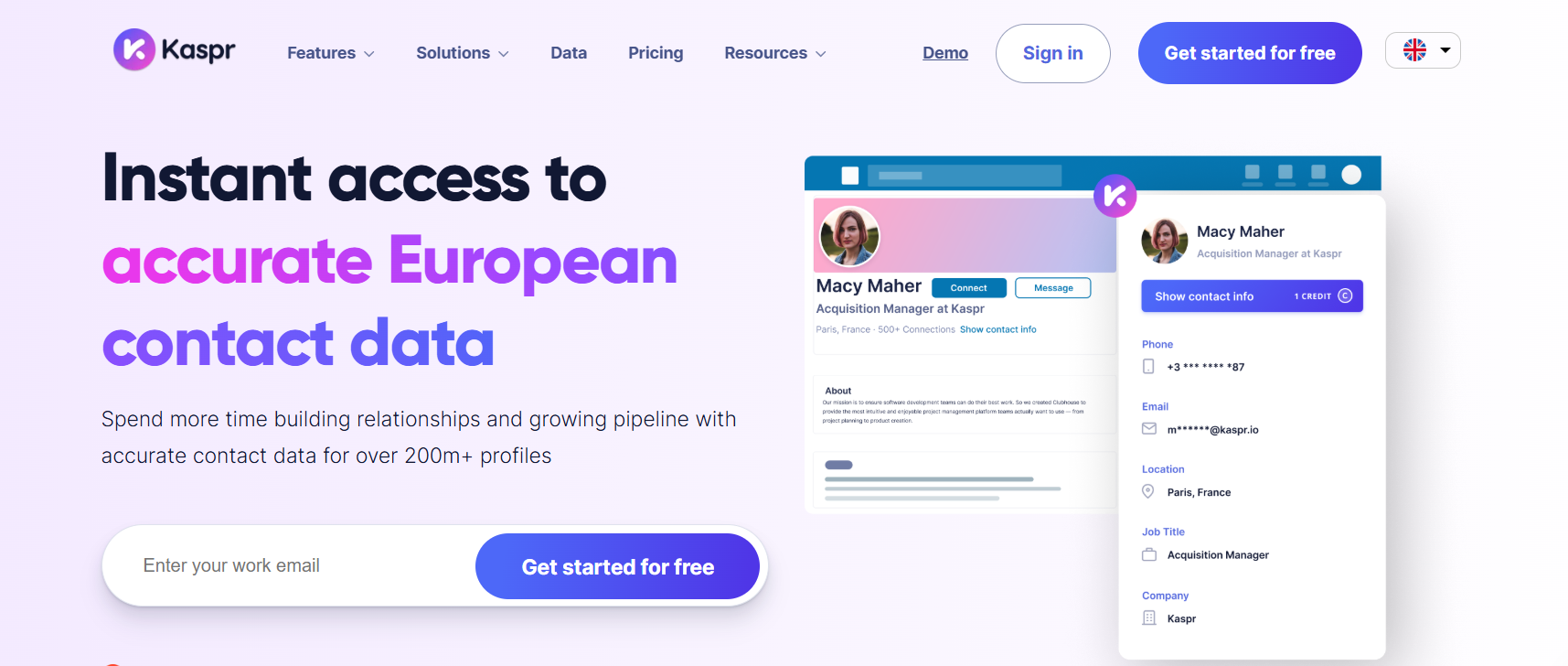
Kaspr, part of the Cognism family, is a LinkedIn-first prospecting tool focused on quick access to phone numbers and emails directly from profiles and Sales Navigator. It offers a free plan and accessible paid tiers, with a European data and compliance lean. Best fit: SDRs who prospect primarily inside LinkedIn and want fast, compliant contact reveals.
10. UpLead
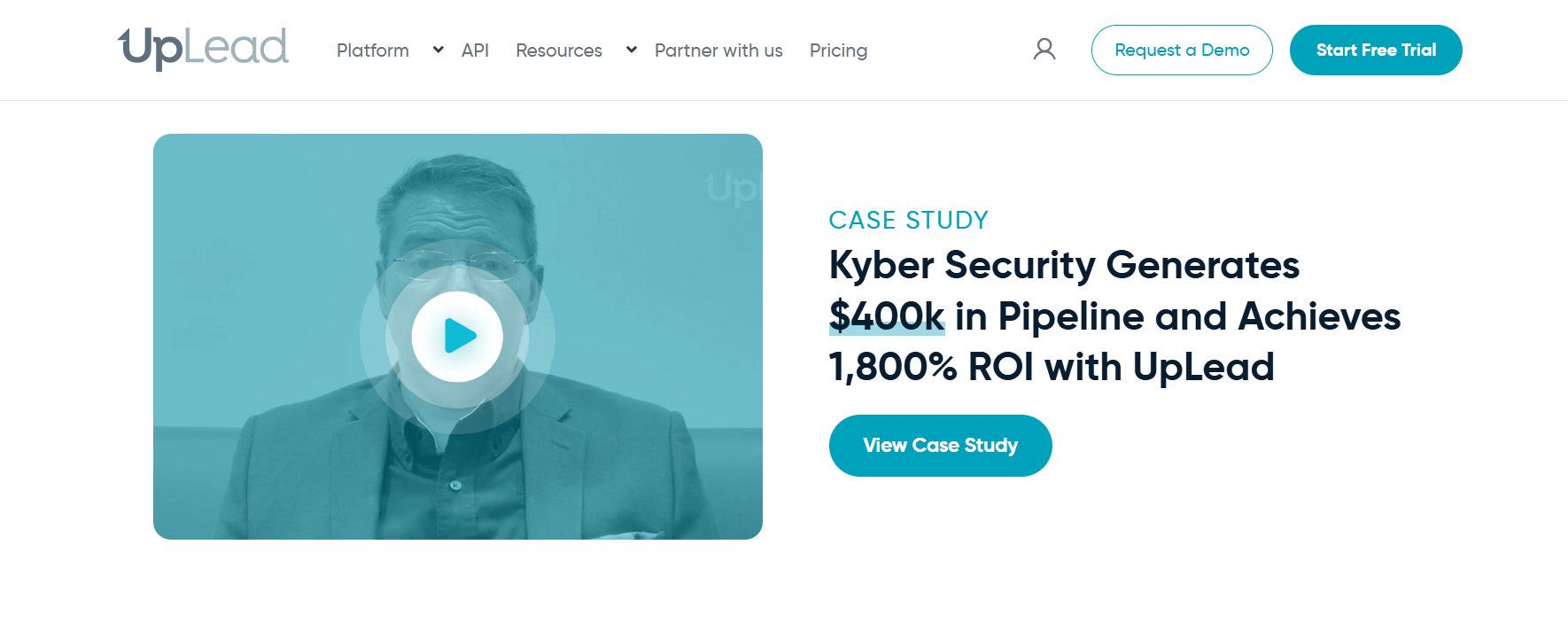
UpLead emphasizes real-time email verification at the point of export, which reduces bounce risk, and publishes transparent self-serve pricing with a free trial. Coverage is smaller than ZoomInfo but the verified-on-export model appeals to deliverability-conscious teams. Best fit: smaller teams that value verified emails and predictable, transparent pricing.
ZoomInfo Alternatives Compared
The table below summarizes coverage strengths, compliance posture, pricing model, and best fit. Pricing is approximate and changes frequently, so always check each vendor's current pricing before you buy.
How to Choose the Right B2B Data Provider
Match the Tool to Your Region
Coverage is regional, full stop. A provider with excellent US direct dials may have thin European mobile data, and vice versa. If most of your pipeline sits in EMEA, weight compliance and verified mobiles heavily and look hard at Cognism or Kaspr. If you sell into North America, Apollo, Lead411, and Seamless.ai will likely show stronger hit rates. The fastest way to know is to run a sample of your real target accounts through each vendor's trial and measure match rate yourself.
Decide: Single Platform or Waterfall
The biggest strategic decision is whether you buy one all-in-one database or assemble a waterfall. A single platform like Apollo is simpler to operate and bills predictably. A waterfall built in Clay can deliver higher match rates and lower blended cost per record because you only pay each source when cheaper sources miss. The tradeoff is operational complexity. If you have a RevOps function, the waterfall usually wins on economics. If you do not, a single platform keeps things sane. Our breakdown of waterfall enrichment with Clay versus ZoomInfo and Apollo walks through the math in detail.
Weigh Compliance Before You Scale
If you cold-call or email into regulated regions, compliance is not optional. GDPR in Europe and various US state privacy laws govern how you source, store, and use contact data. Per the official GDPR text published by the EU, organizations must have a lawful basis for processing personal data, which includes prospect contact details. Providers like Cognism build DNC screening and consent tracking into the product specifically to reduce this exposure. Confirm a vendor's data sourcing and opt-out handling before you push volume through it.
Test Accuracy on Your Own Accounts
Vendor-reported accuracy numbers are marketing. The only number that matters is the match and bounce rate against your accounts. Export the same list of 50 known contacts from each trial, then check how many emails and phones are correct and current. This 30-minute test will tell you more than any review site. For a wider view of the category, our guide to the top lead enrichment tools for sales outreach compares enrichment options side by side, and our roundup of the best sales prospecting tools and AI software covers the broader workflow these data sources feed into.
Build This With DevCommX
DevCommX builds autonomous, signal-based AI SDR systems for B2B teams - and you own the infrastructure, not just a managed campaign. Clients typically go from setup to 40+ qualified demos within 6 weeks, because the system triggers on real buying signals instead of static lists. Book a GTM strategy call to map this to your pipeline.
FAQ
What is the best cheaper alternative to ZoomInfo?
There is no single best option because it depends on your region and workflow. Apollo.io is the most popular cheaper alternative for US-focused startups because it bundles data with outreach and offers a free plan. For European mobile coverage, Cognism is stronger. For flexible, pay-per-hit data, a Clay-based waterfall often delivers the lowest blended cost per record.
How does ZoomInfo compare to Apollo?
ZoomInfo offers deeper firmographics, intent data, and org charts, but is sold on annual contracts with higher minimums. Apollo is more affordable, self-serve, and includes built-in sequencing and a dialer. For enterprise data depth, ZoomInfo leads. For lean teams that want database plus outreach in one transparent bill, Apollo is usually the better value. Always check current pricing for both.
Are ZoomInfo competitors GDPR compliant?
Compliance varies by vendor and by how you use the data. Cognism and Kaspr build GDPR features like DNC screening and consent tracking directly into their products, which lowers risk for European outreach. Other tools place more responsibility on you to ensure a lawful basis for processing. Confirm each vendor's data sourcing and opt-out handling before scaling outreach into regulated regions.
What is waterfall enrichment and is it cheaper than ZoomInfo?
Waterfall enrichment queries multiple data providers in sequence, starting with the cheapest, and only falls through to the next when a record is missing. You pay only for the data you actually find, which often produces higher match rates and a lower blended cost per record than a single ZoomInfo contract. Tools like Clay orchestrate this across many sources automatically.
How do I test a B2B data provider before buying?
Take 50 known contacts from your target accounts and run them through each vendor's free trial or sample. Measure how many emails and phone numbers are correct and current, and track bounce rates if you can send a test. This direct match-rate test on your own data is far more reliable than vendor-reported accuracy claims or generic review scores.
Can I replace ZoomInfo with free tools?
Partially. Apollo, Lusha, Kaspr, and others offer free tiers that cover light prospecting needs, and free trials let you test data quality at no cost. However, free plans cap credits and coverage, so high-volume teams will eventually need paid plans or a waterfall setup. Free tools are best for validating data quality and running early outbound before you commit budget.
References
For deeper background on data quality, compliance, and the broader market, these sources are worth your time.
- GDPR.eu: What is GDPR? - a plain-language overview of the regulation that governs B2B data in Europe.
- Gartner Sales research - analyst coverage of B2B data, sales technology, and go-to-market trends.
- G2 Marketing Account Intelligence category - verified user reviews and grids comparing B2B data vendors.












.webp)