The best Apollo.io alternatives are ZoomInfo, Cognism, Clay, Lusha, Lead411, LinkedIn Sales Navigator, and Seamless.ai, with the right choice depending on your region, the depth of contact data you need, and whether you want a closed prospecting suite or a flexible data layer you can shape around your own workflow. Apollo is a strong all-in-one platform for early-stage outbound, but teams scaling past it usually hit the same three walls: contact accuracy in specific regions, rigid sequencing, and the limits of a single data source. This guide compares eight options across data quality, sequencing, approximate pricing, and best-fit use case so you can match a tool to your motion instead of switching for the sake of it.
Why Teams outgrow Apollo.io
Apollo earned its reputation by bundling a large B2B contact database with email sequencing and a CRM-lite layer at an accessible price. For a founder-led sales motion or a first SDR hire, that bundle is hard to beat. The friction shows up later. As your list quality bar rises and your territories expand, a single-source database starts to feel thin in the exact segments you care about most.
Three patterns repeat across the teams we talk to. First, regional coverage gaps: contact and mobile data that looks complete in North America can thin out fast in EMEA, APAC, or specific verticals. Second, sequencing ceilings: the native sequencer is fine for linear cadences but strains under multi-channel, branch-based plays. Third, the verification problem: when one provider sources a record, you have no second opinion on whether the email or direct dial is still good. Data decays continuously. HubSpot's research on database health has long pointed to B2B contact data degrading at roughly 22 to 30 percent per year as people change roles, which means any single static source is always drifting out of date.
None of this makes Apollo a bad tool. It makes it a starting point. The question is what you graduate to, and that depends entirely on the problem you are actually solving.
How to evaluate an Apollo alternative
Before comparing logos, get clear on four criteria. They matter more than any single feature list.
Data quality and coverage
Look past the headline contact count. What matters is accuracy in your segments: the regions, company sizes, and job titles you sell into. Mobile and direct-dial coverage is where vendors diverge most, and it is also where compliance varies. If you sell into Europe, GDPR-aligned sourcing and a documented notification process are not optional.
Sequencing and workflow
Some of these tools are full prospecting suites with native multichannel sequencing. Others are pure data layers you pipe into a separate engagement platform or your CRM. Neither is better in the abstract. A team that already runs Outreach or Salesloft wants clean data, not a second sequencer. A lean team may want everything in one window.
Pricing and contract structure
Sales intelligence pricing is notoriously opaque, and most vendors quote per seat with credit caps, annual commitments, and add-ons for mobile data or intent. Treat every number in this guide as approximate and directional. Always request current pricing and read the credit and export terms before you sign.
Best-fit motion
The right answer for an inbound-led PLG company is rarely the right answer for an enterprise field team working named accounts. Match the tool to how you actually sell.
The 8 best Apollo.io alternatives compared
Here is a side-by-side view of the main contenders, followed by where each one genuinely shines. Pricing is approximate and changes often, so confirm current rates directly with each vendor.
1. ZoomInfo - the enterprise depth play
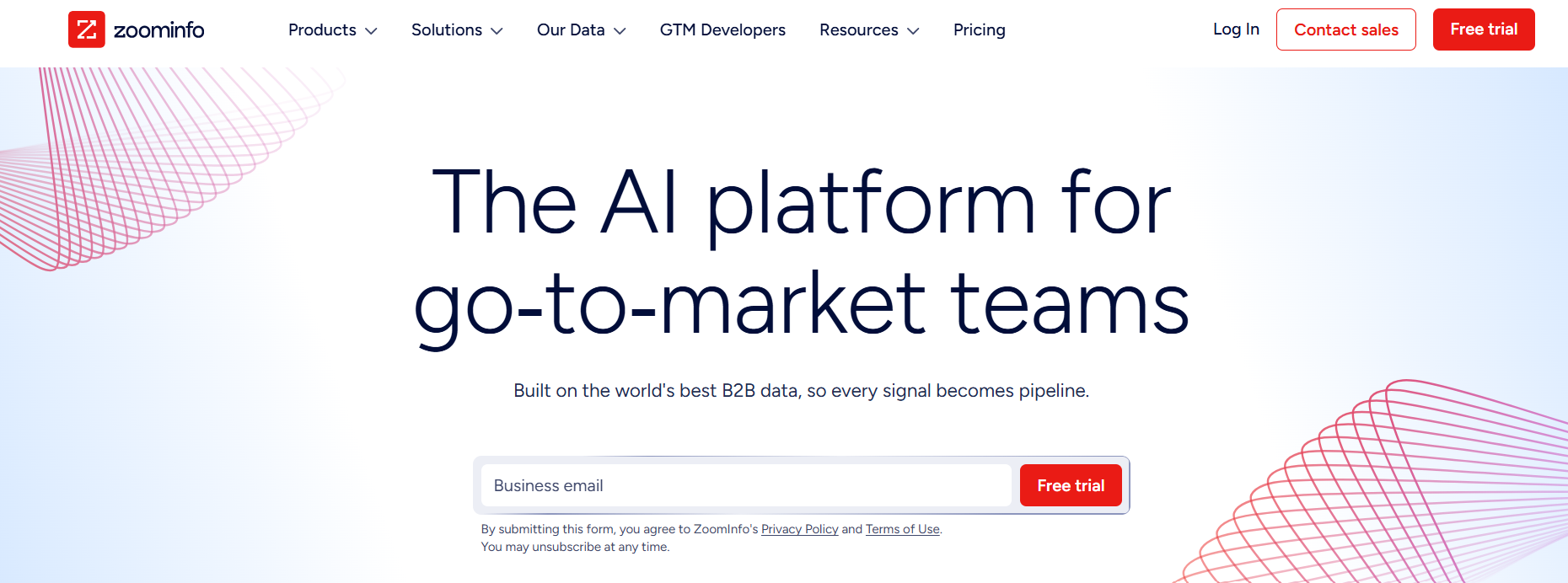
ZoomInfo is the heavyweight. Its strength is the breadth of firmographic, technographic, and intent data, particularly across US accounts, paired with research-grade org charts. For enterprise teams working named accounts where context beats raw volume, the depth is real. The trade-offs are price and complexity. Contracts typically start in the five-figure range annually, sequencing lives in a separate Engage module, and onboarding is a project. Choose ZoomInfo when intent data and account depth justify the spend.
2. Cognism - the EMEA and compliance play
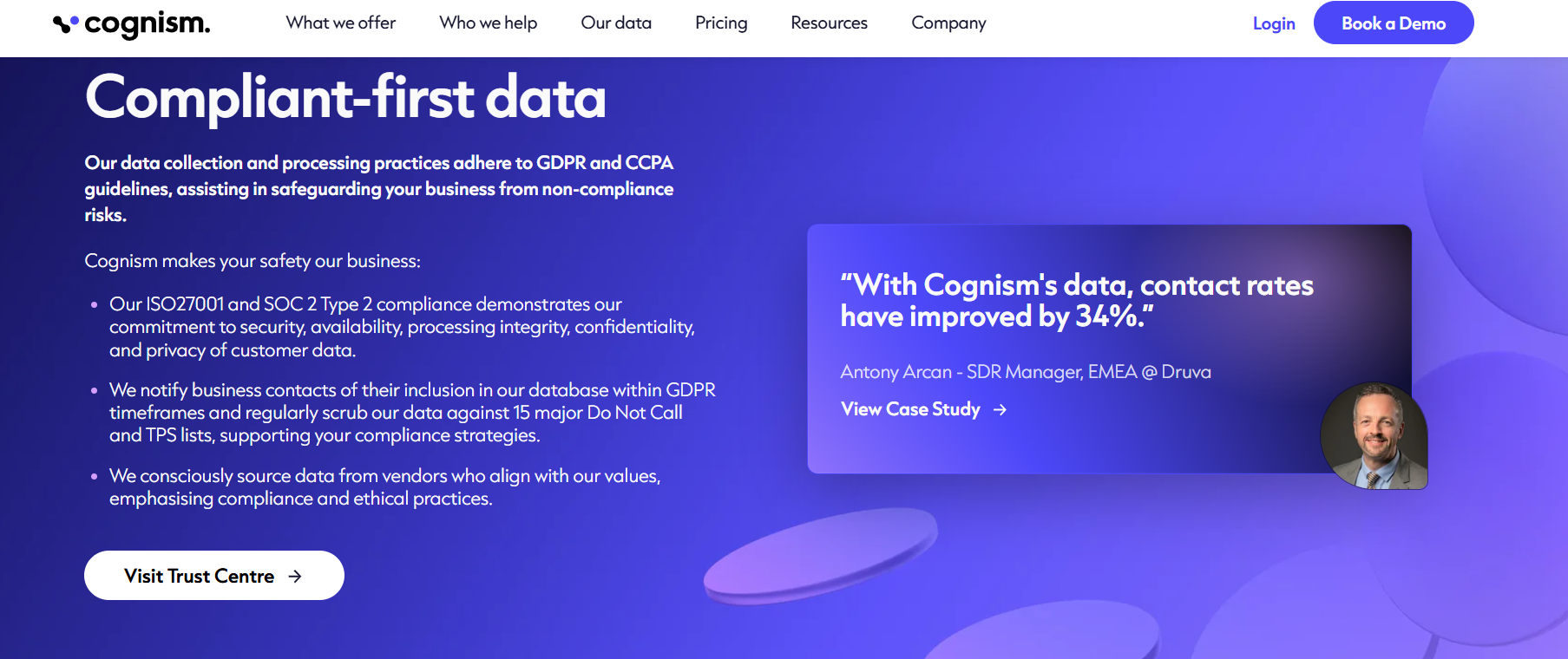
Cognism built its reputation on phone-verified mobile numbers and a GDPR-conscious sourcing model, which makes it a standout for teams selling into Europe and APAC where Apollo's coverage thins. It is primarily a data layer rather than a full sequencer, so it pairs well with an existing engagement stack. If your cold-calling motion depends on connecting on the first dial in regulated markets, Cognism's verified-mobile approach is a genuine differentiator. Pricing is custom and annual.
3. Clay - the waterfall enrichment play
Clay is not a single database. It is an orchestration layer that runs waterfall enrichment, querying dozens of providers in sequence so that if one source lacks an email or mobile, the next one fills the gap. This directly attacks the single-source problem that pushes teams off Apollo. It rewards RevOps teams comfortable building workflows and writing the occasional formula. Credit-based pricing starts modestly but scales with usage. For a deeper look at where Clay fits among enrichment options, see our guide to the top lead enrichment tools to supercharge your sales outreach.
4. Lusha - the fast-lookup play
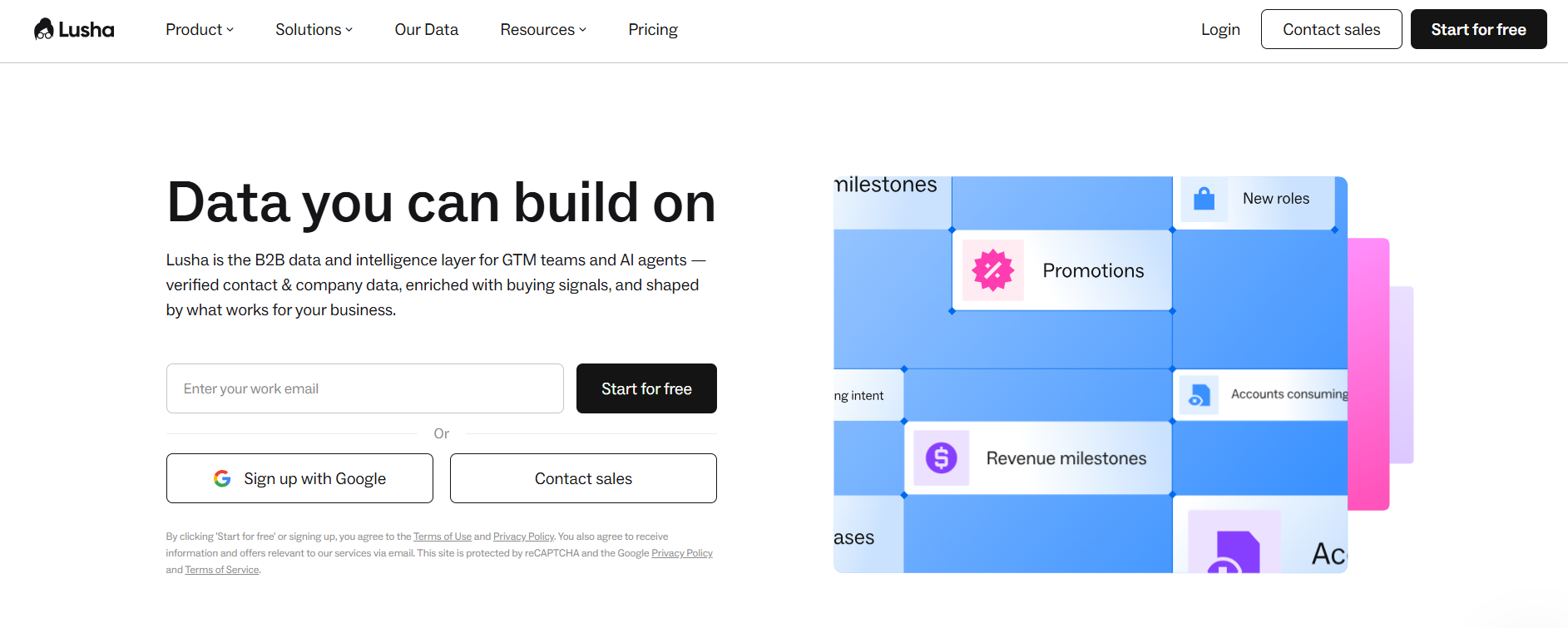
Lusha is built for speed and simplicity. Its browser extension surfaces contact details on LinkedIn and company sites in a click, which makes it a favorite for individual reps and SMB teams who prospect opportunistically rather than in bulk. It is less suited to large, programmatic campaigns and its sequencing is limited. Entry pricing is among the most accessible on this list, starting around $36 per user per month. Treat it as a precision tool, not a campaign engine.
5. Lead411 - the trigger-event play
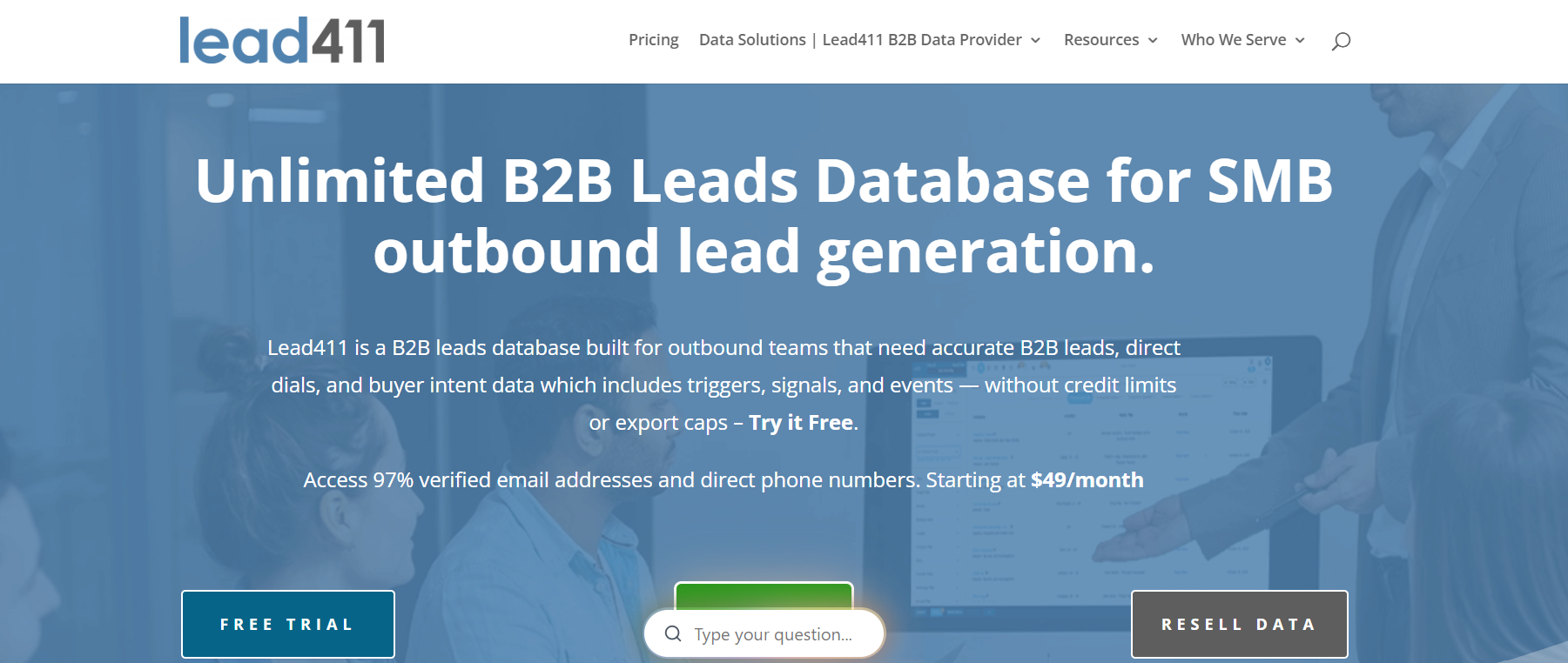
Lead411 leans into growth intent and trigger events such as funding rounds, hiring spikes, and leadership changes, with plans that lean toward generous export limits. Its Reach module adds native sequencing, making it closer to an all-in-one than the pure data layers. For SMB teams that want to time outreach around buying signals without enterprise pricing, it is a pragmatic middle ground. Plans typically start around $99 per user per month.
6. LinkedIn Sales Navigator - the relationship play
Sales Navigator's edge is that LinkedIn's data updates itself. Job changes, promotions, and company moves are reflected by users in real time, which sidesteps the decay problem that plagues static databases. It excels at account research, warm-path discovery, and social selling. The limits are real: no exportable emails or direct dials, and outreach is confined to InMail. It is best used alongside a data provider, not instead of one. Pricing starts around $99 per user per month.
7. Seamless.ai - the real-time search play
Seamless.ai positions itself as a real-time search engine for contact data, assembling records on demand rather than serving from a static store. For high-volume prospecting teams watching their budget, the volume can be attractive. Quality is more variable than the premium databases, so verification discipline matters. Pricing is credit-based and custom. It rewards teams with the process to validate at scale and the volume to make the model pay off.
8. The owned-system approach - infrastructure instead of a tool
The eighth option is not a vendor at all. Rather than renting access to one database, some teams build an owned data and outreach system that combines waterfall enrichment with real-time buying signals and a sequencing engine they control. The appeal is structural: you own the infrastructure, you are not capped by one provider's coverage, and your motion triggers on actual buying behavior instead of a static list. This is the path teams take when no single tool fits and switching costs keep recurring. For a direct head-to-head on this model, read our Apollo.io vs DevCommX comparison for 2026.
Single-source data vs the waterfall approach
The deepest reason teams leave Apollo is rarely a single missing feature. It is the realization that one provider can only see one slice of the truth. Waterfall enrichment, the model behind tools like Clay and owned systems, addresses this by checking multiple sources in sequence and keeping the first verified hit. When you combine that with the natural decay of B2B data, the math favors redundancy.
Gartner has repeatedly emphasized that poor data quality carries a heavy organizational cost, estimating the average impact of bad data at millions of dollars per year for larger organizations. In a sales context, that cost shows up as wasted SDR hours, bounced sends that hurt domain reputation, and reps calling numbers that no longer connect. A multi-source approach will not eliminate decay, but it materially raises your hit rate on the records that matter. If you are early in this evaluation and want a broader landscape, our roundup of the best sales prospecting tools and AI software to drive qualified leads covers adjacent categories worth knowing.
Matching the tool to your team
Pulling it together, a few clean recommendations. If you are an enterprise team that lives and dies by account depth and intent, ZoomInfo is the default. If your pipeline runs through Europe or APAC, Cognism's verified mobiles change your connect rates. If you have a capable RevOps function and want to escape single-source limits without committing to one giant contract, Clay's waterfall is the flexible choice. SMBs and solo reps prospecting fast are well served by Lusha or Lead411. Sales Navigator belongs in nearly every ABM and relationship-led stack as a complement. And teams that keep hitting the ceiling of off-the-shelf tools should weigh building an owned system where the data, the signals, and the sequencing all belong to them.
Build This With DevCommX
DevCommX builds autonomous, signal-based AI SDR systems for B2B teams - and you own the infrastructure, not just a managed campaign. Clients typically go from setup to 40+ qualified demos within 6 weeks, because the system triggers on real buying signals instead of static lists. Book a GTM strategy call to map this to your pipeline.
FAQ
What is the best alternative to Apollo.io?
There is no single best alternative because it depends on your motion. ZoomInfo wins on enterprise depth and intent, Cognism leads for European mobile data and compliance, and Clay is strongest for flexible waterfall enrichment. SMB teams often prefer Lusha or Lead411. Match the tool to your region, data needs, and whether you want an all-in-one suite or a data layer.
How does Apollo compare to ZoomInfo?
Apollo is an accessible all-in-one suite with database, sequencing, and CRM-lite features at a lower entry price, ideal for early outbound. ZoomInfo is the enterprise option with deeper firmographic and intent data and richer org charts, but at significantly higher cost and more complex setup. Apollo vs ZoomInfo usually comes down to budget and the depth of account intelligence you need.
Are there cheaper alternatives to Apollo.io?
Yes. Lusha starts around $36 per user per month and is among the most accessible for quick contact lookups. Lead411 and LinkedIn Sales Navigator typically begin near $99 per user per month. Pricing changes frequently and most vendors quote per seat with credit caps, so always confirm current rates and export limits directly before committing.
What is waterfall enrichment and why does it matter?
Waterfall enrichment queries multiple data providers in sequence and keeps the first verified result, instead of relying on a single source. Because B2B contact data decays continuously as people change roles, no one provider stays accurate. A multi-source waterfall, used by tools like Clay and owned systems, raises your hit rate on emails and direct dials.
Should I replace Apollo or add a tool alongside it?
Both are valid. Many teams keep Apollo for sequencing and layer a specialist data source like Cognism or a waterfall like Clay to fix coverage gaps. Others replace it entirely with an owned system when switching costs keep recurring. Start by identifying the specific wall you hit, then decide whether to supplement or migrate.
Is LinkedIn Sales Navigator a true Apollo alternative?
Not on its own. Sales Navigator offers the freshest profile data because users update it in real time, which makes it excellent for research, ABM, and social selling. But it does not export emails or direct dials and limits outreach to InMail. It works best as a complement to a data provider rather than a full replacement for Apollo's prospecting suite.
References
- Gartner - Data and Analytics research
- GDPR.eu - Guide to GDPR compliance for outreach
- HubSpot Sales Blog - data hygiene and prospecting









.webp)