The best 11x alternatives in 2026 are AiSDR, Artisan, Apollo's Jason AI, Regie.ai, Qualified, Clay, and the owned-system approach where you build the AI SDR infrastructure in-house or with a GTM engineering partner. 11x.ai pioneered the autonomous AI SDR category with its agents Alice (outbound) and Mike (inbound voice), and it remains a capable platform. But it is one option among several, and the right choice depends on your motion: high-volume outbound, inbound speed-to-lead, data enrichment, or full ownership of the system. This guide compares each alternative fairly on what it does, who it fits, its strengths and limits, and approximate pricing.
If you are reading this, you are likely either evaluating 11x for the first time or weighing a switch. Either way, the goal here is not to bash 11x. It is to give you an honest map of the category so you can match a platform to your pipeline reality rather than to a demo.
What an AI SDR Actually Does
An AI SDR (sales development representative) automates the top-of-funnel work a human SDR does: researching prospects, writing personalized messages, sequencing outreach across email and LinkedIn, handling replies, and booking meetings. The category splits into two broad types. Autonomous AI SDRs aim to run the full motion with minimal human input. Assisted or copilot tools speed up specific steps while keeping a human in the loop.
11x positioned itself firmly in the autonomous camp. That framing is the lens most buyers now use to judge the category, so it is worth being precise about it. Most teams find that even "autonomous" tools need meaningful human oversight on positioning, list quality, and reply handling to perform well. According to Gartner, sales technology investments frequently underdeliver when teams expect automation to replace strategy rather than execute it, so set expectations accordingly before you buy any of these.
A Fair Look at 11x.ai First
Before the alternatives, credit where it is due. 11x.ai brought autonomous AI SDR agents into mainstream B2B GTM conversation. Alice handles outbound research and multichannel sequencing. Mike handles inbound voice qualification. The platform is genuinely capable for outbound-heavy teams that want a single agent to own list-to-meeting workflow.
The honest limits buyers cite: pricing is enterprise-tier and typically quoted per seat or per agent on annual contracts, so it is not a fit for small budgets or month-to-month testing. Deliverability and personalization quality depend heavily on the data and ICP you feed it. And because it is a managed product, you do not own the underlying system. For teams that want those things, the alternatives below address specific gaps. Always confirm current 11x pricing and feature scope directly, as the product evolves quickly.
The 7 Best 11x Alternatives for 2026
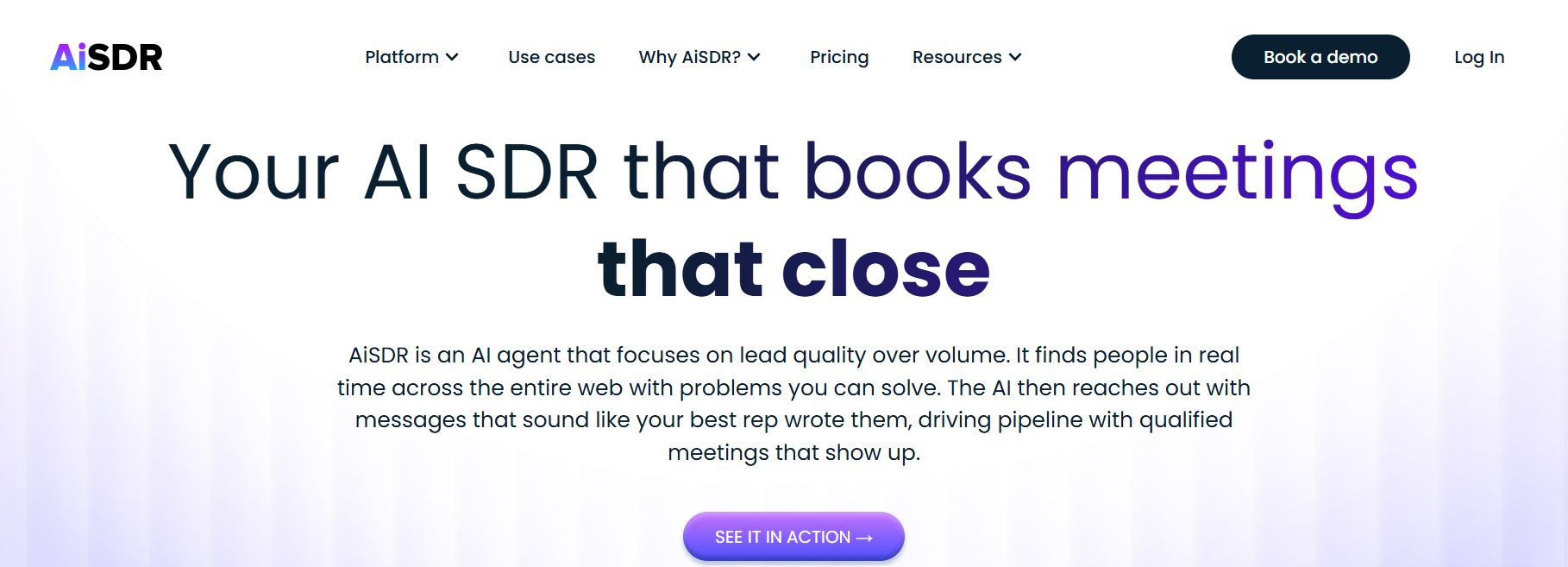
1. AiSDR
What it is: A fully managed AI SDR focused on email and LinkedIn outbound, with built-in lead sourcing and reply handling.
Best for: SMB and mid-market teams that want a turnkey outbound machine without building lists separately.
Strengths: Fast to launch, handles personalization and objection replies reasonably well, and bundles data so you are not stitching tools together. Pricing is more accessible than enterprise 11x plans.
Limits: Less depth on inbound and voice, and like all managed tools you trade control for convenience. Output quality still depends on the ICP and messaging you provide.
Approximate pricing: Starts around 750 USD per month for a defined volume of emails; check current pricing as tiers change.
2. Artisan
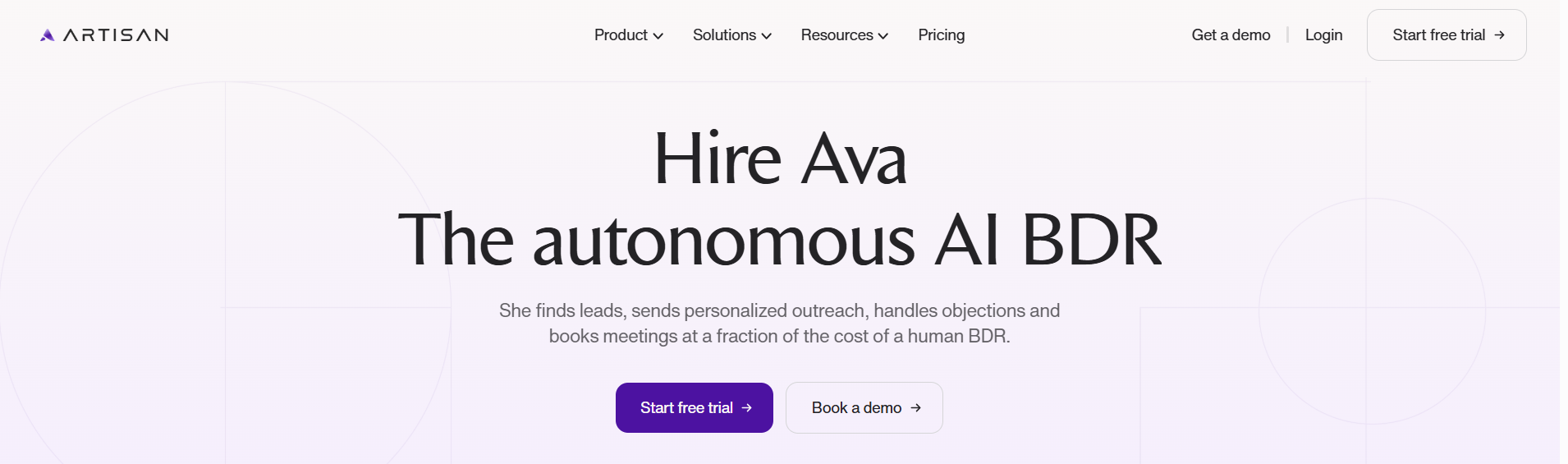
What it is: Artisan's Ava is an AI BDR that automates outbound prospecting end to end, from sourcing to sending, inside its own platform.
Best for: Teams that want an all-in-one outbound platform with a polished interface and a single vendor for data and sending.
Strengths: Strong consolidated experience, large built-in B2B data, and a clear autonomous-agent narrative similar to 11x. Good for replacing a fragmented stack.
Limits: Best results require careful setup and ongoing oversight; the autonomy promise can outpace reality on nuanced messaging. Pricing is quote-based for most teams.
Approximate pricing: Custom, typically mid-market and up; request a current quote.
3. Apollo (Jason AI)
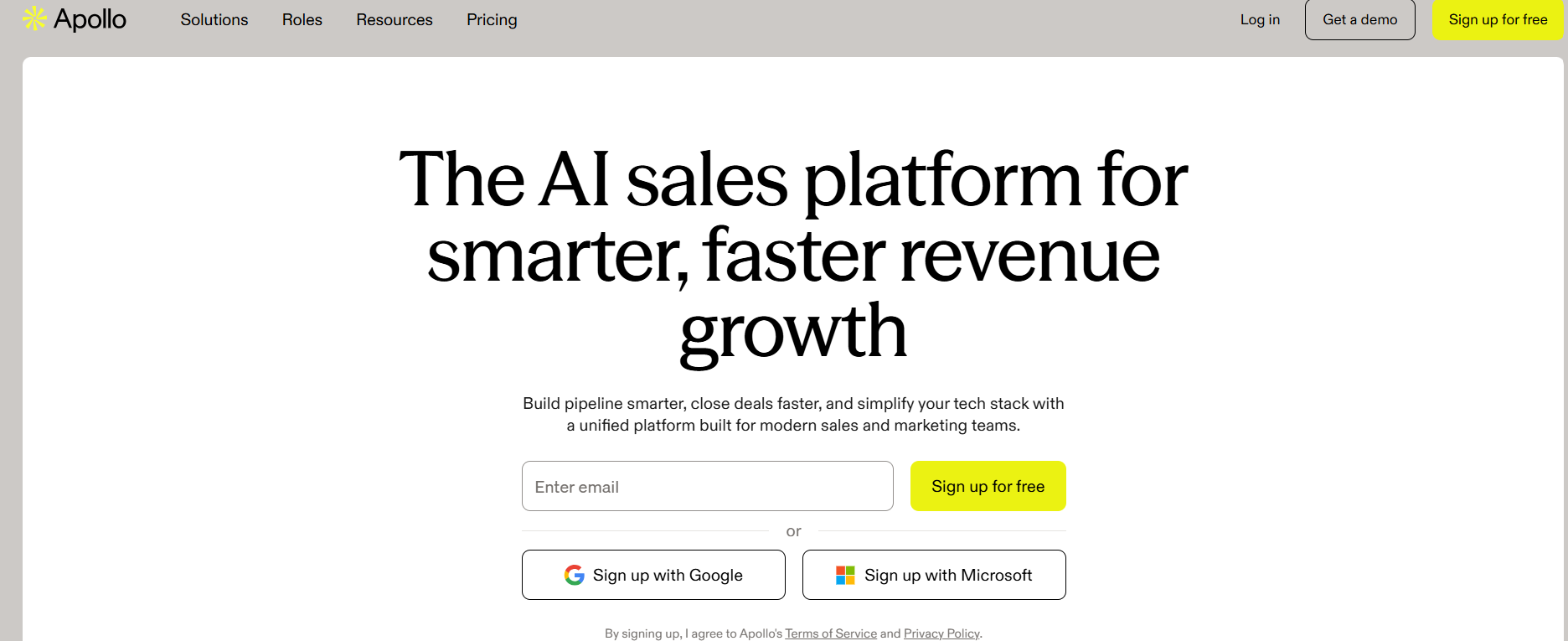
What it is: Apollo.io is a sales intelligence and engagement platform; Jason AI is its assistant for writing sequences and automating outreach steps on top of Apollo's large contact database.
Best for: Teams that want data, enrichment, and engagement in one affordable platform and prefer a copilot model over full autonomy.
Strengths: Huge contact database, strong value for price, and deep integration between data and sequencing. Excellent entry point for teams new to outbound tooling.
Limits: It is more an engagement platform with AI assistance than a hands-off autonomous SDR. You drive the strategy; Jason AI accelerates execution.
Approximate pricing: Free tier available; paid plans commonly start in the low tens of dollars per user per month, with higher tiers for advanced features.
4. Regie.ai
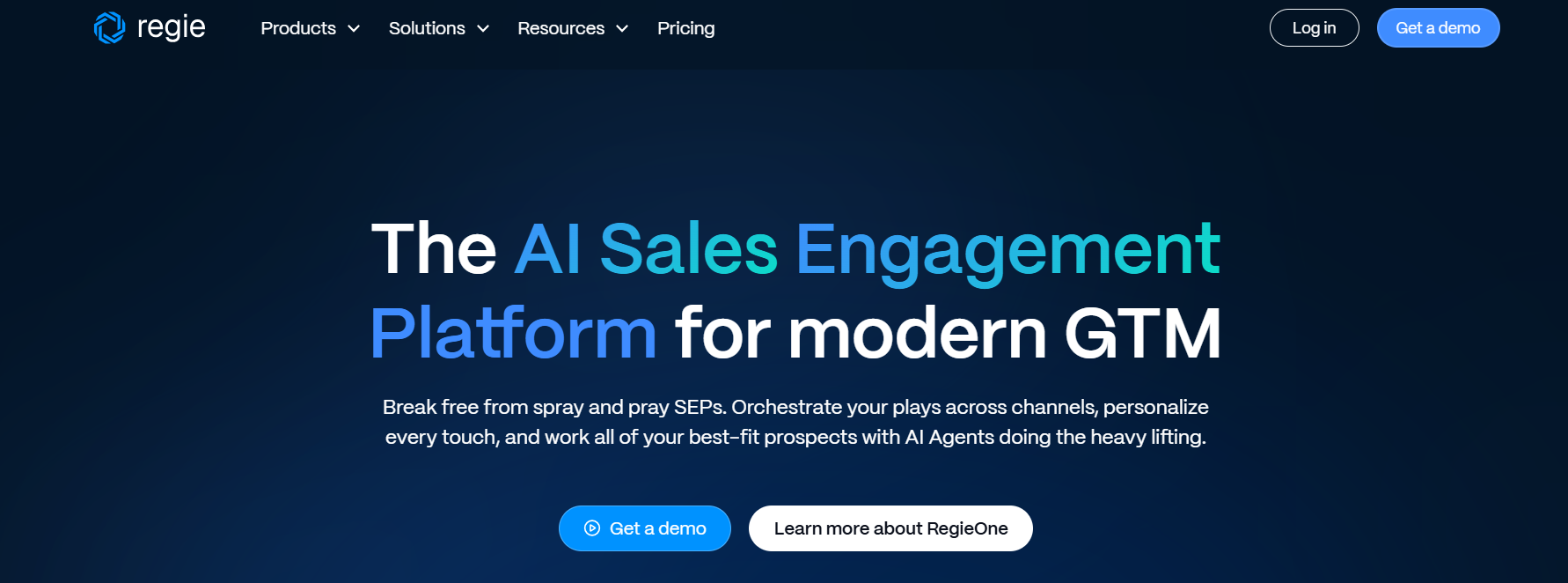
What it is: An AI platform for prospecting and content generation, with autonomous agents that prioritize and engage leads while keeping reps in the loop.
Best for: Sales and marketing teams that want strong AI-generated messaging and content alongside outreach automation.
Strengths: Excellent at on-brand copy at scale and content workflows, with a thoughtful human-in-the-loop design that many revenue leaders prefer over full autonomy.
Limits: The breadth means more configuration, and pure list-to-meeting autonomy is less the point than message quality and rep enablement.
Approximate pricing: Quote-based; positioned for mid-market and enterprise. Confirm current pricing directly.
5. Qualified
What it is: An inbound-focused platform whose Piper AI SDR engages website visitors in real time, books meetings, and routes leads, deeply tied to Salesforce.
Best for: Teams with meaningful website traffic that want to convert inbound demand fast, the opposite end from outbound-first 11x.
Strengths: Best-in-class speed-to-lead on the site, strong Salesforce integration, and a clear ROI story for traffic-rich B2B sites.
Limits: It is built for inbound, not cold outbound, so it complements rather than replaces an outbound AI SDR. Value scales with your traffic volume.
Approximate pricing: Enterprise, quote-based and tied to a Salesforce-centric stack.
6. Clay
What it is: A data enrichment and automation platform that lets teams build custom outbound workflows, often combined with AI agents for research and message generation.
Best for: Technical and ops-minded RevOps teams that want to engineer their own signal-based outbound rather than buy a fixed agent.
Strengths: Unmatched flexibility, hundreds of data sources, and the ability to trigger outreach on specific buying signals. It is the builder's choice for bespoke GTM motions.
Limits: Steeper learning curve and more hands-on than a managed agent. It is a toolkit, not a turnkey SDR, so it rewards teams willing to invest in setup.
Approximate pricing: Free tier available; paid plans typically start around 150 USD per month and scale with credits and seats.
7. The Owned-System Approach (DevCommX)
What it is: Instead of renting a managed agent, you build an autonomous, signal-based AI SDR system you own, either in-house or with a GTM engineering partner like DevCommX that assembles data, triggers, sequencing, and reply handling around your specific motion.
Best for: Teams that have outgrown rigid managed tools, want full control of their data and infrastructure, and need outreach that fires on real buying signals rather than static lists.
Strengths: You own the system and the data, the logic is tailored to your ICP and signals, and there is no per-seat ceiling on how it scales. It pairs the autonomy 11x popularized with the flexibility Clay enables.
Limits: It requires either internal engineering capacity or a partner, and it is a build rather than a swipe-a-card subscription. The payoff is durability and control rather than instant setup.
Approximate pricing: Project or retainer based, depending on scope; not a fixed SaaS seat price.
Comparison Table: 11x vs Top Alternatives
Pricing above is approximate and changes frequently; always check current pricing with each vendor before deciding.
How to Choose the Right 11x Alternative
Start with your motion, not the tool. If most of your pipeline comes from outbound, an autonomous outbound agent like 11x, AiSDR, or Artisan is the natural comparison set. If you have strong website traffic and lose deals to slow follow-up, Qualified solves a different problem entirely. If your edge is data and signals, Clay or an owned system will outperform a fixed agent.
Then weigh three trade-offs honestly. First, control versus convenience: managed tools are faster to start but you do not own the system. Second, autonomy versus quality: the most autonomous tools still need human oversight to keep messaging sharp. Third, cost structure: per-seat SaaS scales differently than a built system you own. For a deeper side-by-side on one head-to-head, our DevCommX vs 11x comparison breaks down where each fits, and our roundup of the best AI SDR platforms widens the lens further.
Finally, model the economics before you commit. The math on an AI SDR rarely matches the demo, so review how the numbers actually pencil out in our breakdown of AI SDR vs human SDR pricing and performance before signing an annual contract.
Build This With DevCommX
DevCommX builds autonomous, signal-based AI SDR systems for B2B teams - and you own the infrastructure, not just a managed campaign. Clients typically go from setup to 40+ qualified demos within 6 weeks, because the system triggers on real buying signals instead of static lists. Book a GTM strategy call to map this to your pipeline.
FAQ
What is the best 11x alternative in 2026?
There is no single best alternative; it depends on your motion. For turnkey outbound, AiSDR and Artisan are strong. For affordable data-led outreach, Apollo's Jason AI fits. For inbound speed-to-lead, Qualified leads. For full control and ownership, a custom owned system or Clay-based build is the better path. Match the tool to your pipeline.
Is 11x.ai worth it?
11x is a capable autonomous AI SDR, especially for outbound-heavy teams that want a single agent owning list-to-meeting workflow. It is enterprise-priced and managed, so you do not own the system, and output quality depends on the data and ICP you feed it. It is worth it when the motion and budget align; otherwise an alternative may fit better.
What is the difference between an autonomous and an assisted AI SDR?
An autonomous AI SDR aims to run the full top-of-funnel motion with minimal human input, like 11x or Artisan. An assisted or copilot tool, like Apollo's Jason AI, speeds up specific steps while a human drives strategy. Most teams find even autonomous tools need oversight on positioning, list quality, and reply handling to perform well.
Are there cheaper alternatives to 11x?
Yes. Apollo offers a free tier with affordable paid plans, Clay starts around 150 USD per month, and AiSDR begins around 750 USD per month for defined volume. These cost far less than enterprise 11x contracts, though feature scope differs. Always confirm current pricing directly, as vendor tiers change frequently.
Should I build my own AI SDR or buy one?
Buy when you need speed and have a standard motion; managed tools launch fast. Build when you want to own your data and infrastructure, trigger outreach on specific buying signals, and avoid per-seat ceilings. Building requires engineering capacity or a GTM partner, but it delivers durability and control that fixed managed agents cannot match.
What is an 11x Alice alternative?
Alice is 11x's outbound agent. The closest alternatives are Artisan's Ava and AiSDR, both autonomous outbound SDRs that source, personalize, and sequence outreach. For a copilot model instead, Apollo's Jason AI assists outreach on top of a large database. For signal-based bespoke outbound, Clay or an owned system replaces Alice's role with more control.
References
Expand your evaluation with these authoritative external sources:
- Gartner Sales research and insights on sales technology and pipeline strategy.
- Harvard Business Review on sales for evidence-based perspectives on selling and automation.
- HubSpot Sales Blog for practical outbound, SDR, and AI tooling guidance.







.webp)