Artisan, 11x, and AiSDR are the three most-discussed autonomous AI SDR platforms in 2026, and the honest answer is that none of them "books meetings" on their own. They generate and send outbound at scale; meetings come from the quality of your data, the relevance of your triggers, and how well your domain reputation holds up. Artisan leans toward an all-in-one workspace with a built-in data layer. 11x positions itself as the most autonomous "digital worker." AiSDR is the most affordable and the easiest to start. The right choice depends less on the brand and more on whether you want a managed campaign or owned infrastructure you control.
This guide compares all three fairly: what each actually does, how autonomous they really are, the data and personalization layer, deliverability risk, real-world reputation, approximate pricing, and which team each one fits. We also cover where every fully-autonomous AI SDR tends to hit a ceiling, and the human-in-the-loop, signal-based model that we have seen outperform it.
What an AI SDR Actually Does in 2026
An AI SDR is software that automates the top-of-funnel sales development workflow: building a target list, enriching contact data, writing personalized outreach, sending across email (and sometimes LinkedIn), handling replies, and booking qualified meetings into a rep's calendar. The pitch is simple: replace or augment a human SDR who costs a fully-loaded salary plus tooling.
The reality in 2026 is more nuanced. The hard part of outbound was never writing the email. It is targeting the right account at the right moment, keeping messages out of spam folders, and routing genuine interest to a human fast enough to convert it. AI handles drafting and volume well. It still struggles with judgment, timing, and the deliverability discipline that protects your sending domain. According to Gartner's research on sales technology adoption, tools deliver value only when they are fit to a defined process rather than bolted on to replace one, and AI SDRs are no exception.
That distinction matters for this comparison. Every platform here can send thousands of personalized emails. The differences that decide whether you book meetings are data quality, autonomy boundaries, and how each one treats your domain reputation.
Artisan: The All-in-One AI SDR Workspace
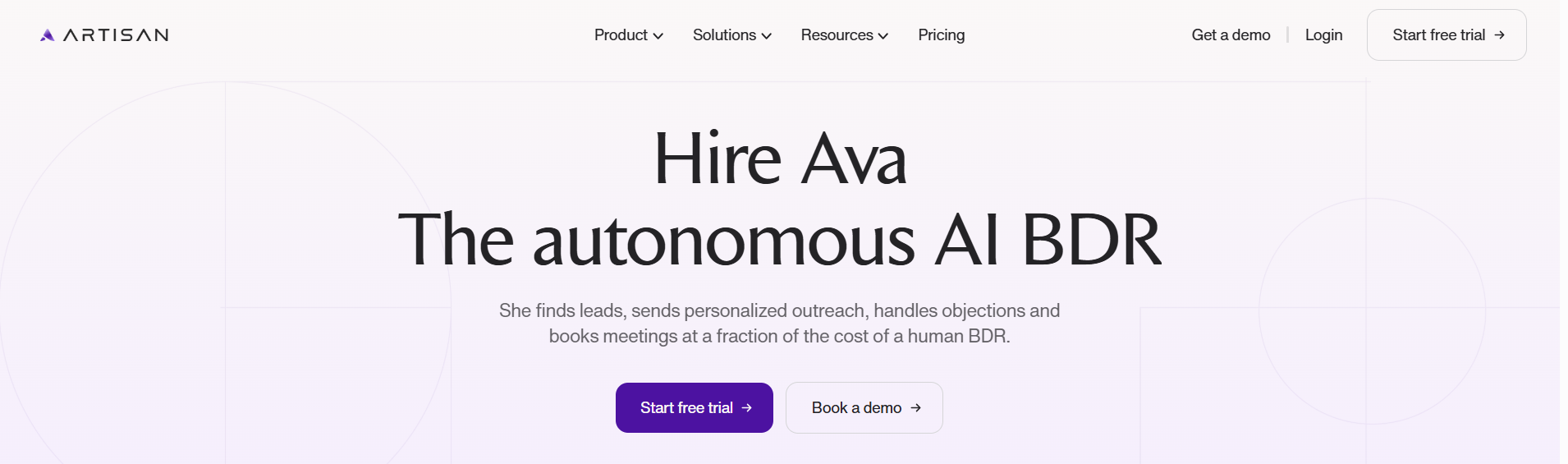
Artisan markets "Ava," an AI BDR, inside a broader outbound platform that bundles a B2B contact database, email warmup, deliverability tooling, and a unified workspace. The selling point is consolidation: instead of stitching together a data provider, a sequencer, and an enrichment tool, you run the full motion in one place.
Autonomy level
Artisan is semi-autonomous by design. Ava drafts research-backed messages and builds sequences, but the platform keeps a human in the approval loop for campaign launch and messaging review. That is a reasonable middle ground for teams that want speed without fully handing over the brand voice.
Data and personalization
Artisan's built-in data layer (it cites a large B2B contact database) is a genuine convenience, because list quality and deliverability live in the same system. Personalization is research-driven, pulling public signals to tailor the opener. As with any all-in-one database, the trade-off is that you are tied to one vendor's data accuracy rather than blending best-of-breed sources.
Deliverability and pricing
Artisan includes warmup and inbox-rotation features aimed at protecting deliverability, which is a point in its favor. Pricing is custom and seat-plus-volume based; public reports put entry points in the low four figures per month, but you should check current pricing directly. It sits at the premium end of this trio.
11x: The Most Autonomous "Digital Worker"
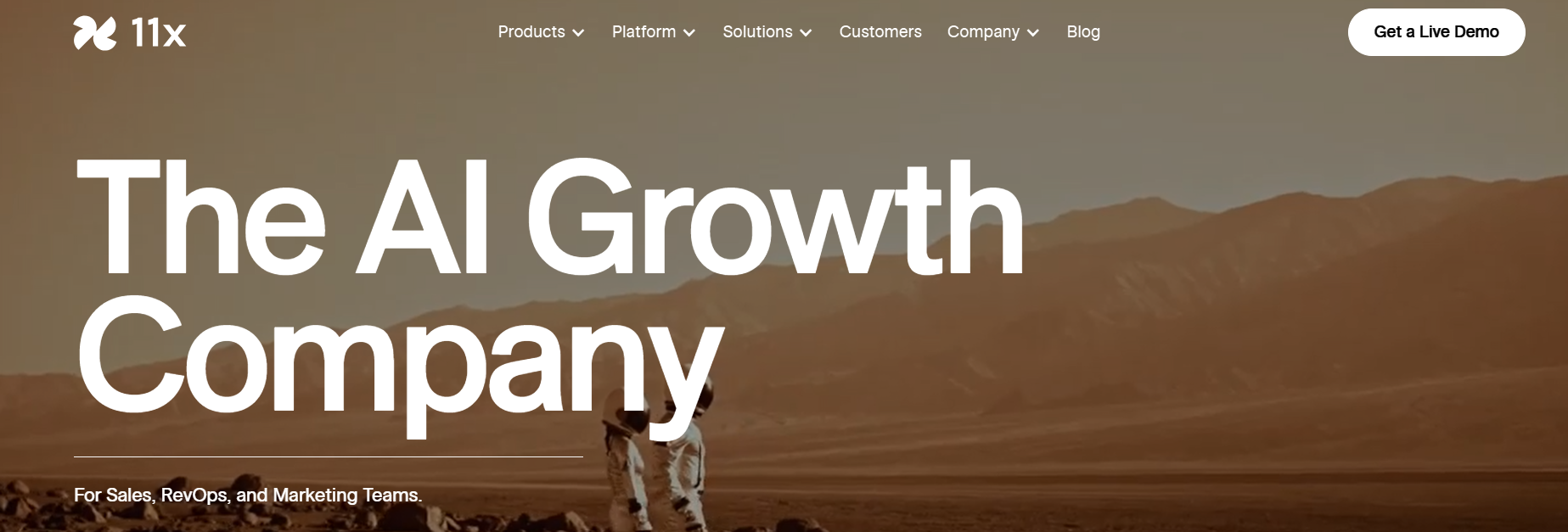
11x markets "Alice," an AI SDR positioned as a fully autonomous digital worker that researches, writes, sends, and follows up across channels with minimal human input. The brand leans hardest into the "AI employee" framing of the three.
Autonomy level
11x targets the highest autonomy in this comparison. The appeal is obvious for lean teams: set the ICP and let the system run multichannel outbound. The risk is equally clear. Fully autonomous sending with limited review is where brand-voice drift and deliverability problems tend to surface, because no human is catching the off-target message before it hits 2,000 inboxes.
Real-world reputation
To be fair and factual: 11x raised significant venture funding and grew quickly, and it has real customers running real pipeline. It has also drawn public scrutiny over churn and revenue-claim reporting in trade press during 2024 and 2025. None of that means the product cannot work for you. It does mean you should run a tightly-scoped pilot, validate booked-meeting quality yourself, and not rely on headline case studies. Our own breakdown in the DevCommX vs 11x comparison goes deeper on where the autonomous model helps and where it breaks.
Data, personalization, and pricing
11x integrates third-party data and intent signals and emphasizes multichannel (email plus LinkedIn) sequencing. Pricing is custom and generally premium, often quoted as an annual commitment; treat any figure you see online as approximate and confirm current pricing. The cost case rests on replacing headcount, so the math depends entirely on meetings actually booked.
AiSDR: The Affordable, Fast-Start Option
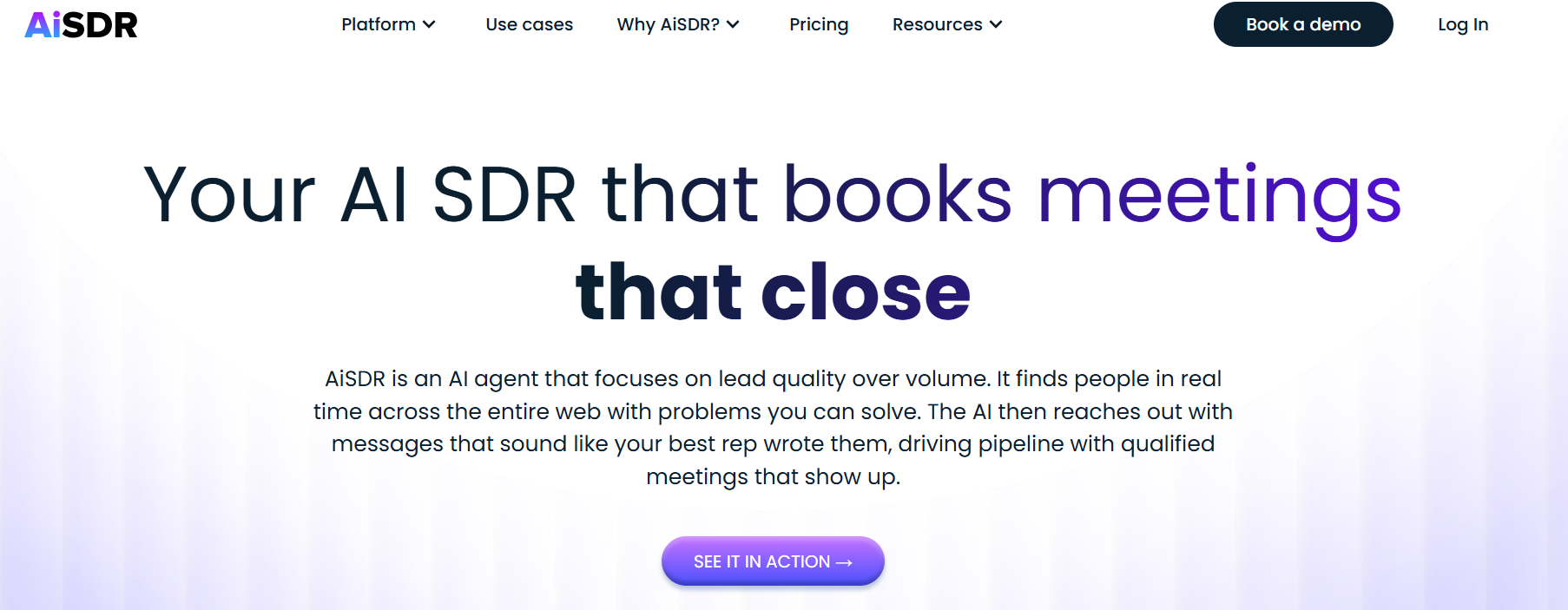
AiSDR is the most accessible of the three. It focuses on email and LinkedIn outreach with HubSpot-friendly workflows, transparent self-serve pricing, and a fast setup. For a founder or a small team running their first AI-assisted outbound, it lowers the barrier to entry more than the other two.
Autonomy, data, and personalization
AiSDR is semi-autonomous and reply-aware: it personalizes using prospect data and LinkedIn activity, then drafts contextual responses. It leans on your connected data and integrations rather than a heavyweight proprietary database, which keeps it light but means your results track closely with the quality of the lists you feed it.
Pricing and fit
AiSDR publishes usage-based pricing that typically starts well below the other two, commonly cited around a few hundred dollars per month for a capped volume of emails; confirm current pricing and limits before committing. That transparency and low entry cost are its strongest differentiators.
Artisan vs 11x vs AiSDR: Side-by-Side
The Real Bottleneck: Deliverability and Timing
Whichever platform you pick, two factors decide outcomes more than the AI copy: deliverability and timing. If your domain reputation slips, even perfect messaging lands in spam and your booked-meeting rate collapses. Email providers increasingly weight sender reputation and engagement, and per Google's bulk sender guidance, authentication (SPF, DKIM, DMARC) and low spam-complaint rates are now table stakes, not nice-to-haves.
Fully autonomous tools amplify this risk. The more volume a system sends without review, the faster a bad list or an off-target campaign can burn a domain. This is the single most common failure mode we see, and we documented the pattern in detail in why AI SDR implementations fail. Timing is the second lever: outreach triggered by a real buying signal (a hire, a funding round, a product launch, a competitor switch) converts far better than the same message sent to a static list on a schedule.
Where Autonomous AI SDRs Hit a Ceiling
Every platform in this comparison is built around the same assumption: more automated sending equals more pipeline. In practice, the teams that win with AI outbound treat the AI as leverage on a tightly-controlled process, not as a replacement for judgment.
That is the case for human-in-the-loop, signal-based, owned infrastructure. Instead of renting a managed campaign on someone else's stack, you build a system that triggers on real buying signals, keeps a human reviewing high-stakes messaging, and runs on sending infrastructure and data you actually own. You get the speed of AI without surrendering deliverability control or brand voice, and you are not locked into one vendor's database or pricing. For a broader market view, see our roundup of the best AI SDR platforms.
Build This With DevCommX
DevCommX builds autonomous, signal-based AI SDR systems for B2B teams - and you own the infrastructure, not just a managed campaign. Clients typically go from setup to 40+ qualified demos within 6 weeks, because the system triggers on real buying signals instead of static lists. Book a GTM strategy call to map this to your pipeline.
FAQ
Which AI SDR actually books the most meetings?
None of them books meetings on autopilot. Booked meetings depend on data quality, signal-based timing, and deliverability far more than on which brand you choose. Artisan, 11x, and AiSDR can all generate volume; the team that controls list quality and protects its sending domain books the most meetings, regardless of platform.
Is 11x reliable given the reports about it?
11x has real customers and real pipeline, but it has also faced public scrutiny over churn and revenue-claim reporting. That does not make it unusable. Run a tightly-scoped pilot, measure booked-meeting quality yourself, and confirm current pricing and terms before signing an annual commitment rather than relying on headline case studies.
What is the cheapest AI SDR platform?
Of these three, AiSDR is typically the most affordable, with transparent usage-based pricing often starting at a few hundred dollars per month for a capped email volume. Always confirm current limits and pricing, because plans and caps change. Artisan and 11x both sit at the premium, custom-quote end of the market.
Are fully autonomous AI SDRs risky?
They carry more deliverability and brand-voice risk because no human reviews messaging before high-volume sending. A bad list or off-target campaign can damage your domain reputation quickly. Full autonomy suits very lean teams comfortable with that trade-off; most teams do better with a human-in-the-loop checkpoint on high-stakes outreach.
What matters more than the AI platform itself?
Three things: clean, well-targeted data; timing tied to real buying signals; and disciplined deliverability with proper SPF, DKIM, and DMARC authentication. Per Google's sender guidance, authentication and low spam-complaint rates are now mandatory for bulk senders. Get those right and most competent platforms perform; get them wrong and the best AI still fails.
Should I buy a platform or build owned infrastructure?
Buy a platform if you want speed and a managed campaign and accept vendor lock-in on data and sending. Build owned, signal-based infrastructure if you want to control deliverability, brand voice, and your data long-term. Owned systems cost more to set up but remove per-vendor dependency and tend to scale more predictably for serious B2B pipeline.
References
Gartner: Sales Technology research and guidance
Google: Email sender guidelines (bulk senders)





.webp)