.webp)
Why Most B2B Lead Lists Fail Before Outreach Even Starts
Most outbound problems aren't sequencing problems or messaging problems. They're list problems. Reps are working contacts that were never a fit, reaching people who left the company six months ago, or targeting the wrong titles at the right companies.
A bad list amplifies every other problem. A good list built on a sharp ICP, current data, and proper enrichment makes average messaging perform better than great messaging on a bad list.
| Data Source | Best For | Data Type | Typical Use Case |
|---|---|---|---|
| Apollo.io | SMB & mid-market prospecting | Contact & company data, email verification | Building initial prospect lists at scale |
| LinkedIn Sales Navigator | Title & role-based targeting | Real-time employment & activity signals | Identifying decision-makers and recent job changes |
| ZoomInfo | Enterprise & mid-market accounts | Deep firmographic & technographic data | Account-level ICP matching and enrichment |
| Clay | Waterfall enrichment workflows | Aggregated from 50+ enrichment providers | Filling data gaps across multiple sources |
| Crunchbase / PitchBook | Funding-stage and investor targeting | Funding rounds, headcount growth, investors | Triggering outreach on funding or growth signals |
Step 1: Define Your ICP Before You Pull Any Data
The most common list-building mistake is jumping into a tool and filtering by industry and company size. A sharp ICP definition goes beyond firmographics:
- Firmographics Industry, company size (headcount and revenue), geography, business model
- Technographics What tools they use (Salesforce + Outreach = active sales motion)
- Behavioral signals Hiring patterns, funding events, product launches, leadership changes
- Pain indicators Specific challenges your product solves that can be inferred from external data
Before you build any list, write down your best 10 customers and reverse-engineer what they had in common before they bought. That's your ICP.
Step 2: Choose the Right Data Sources
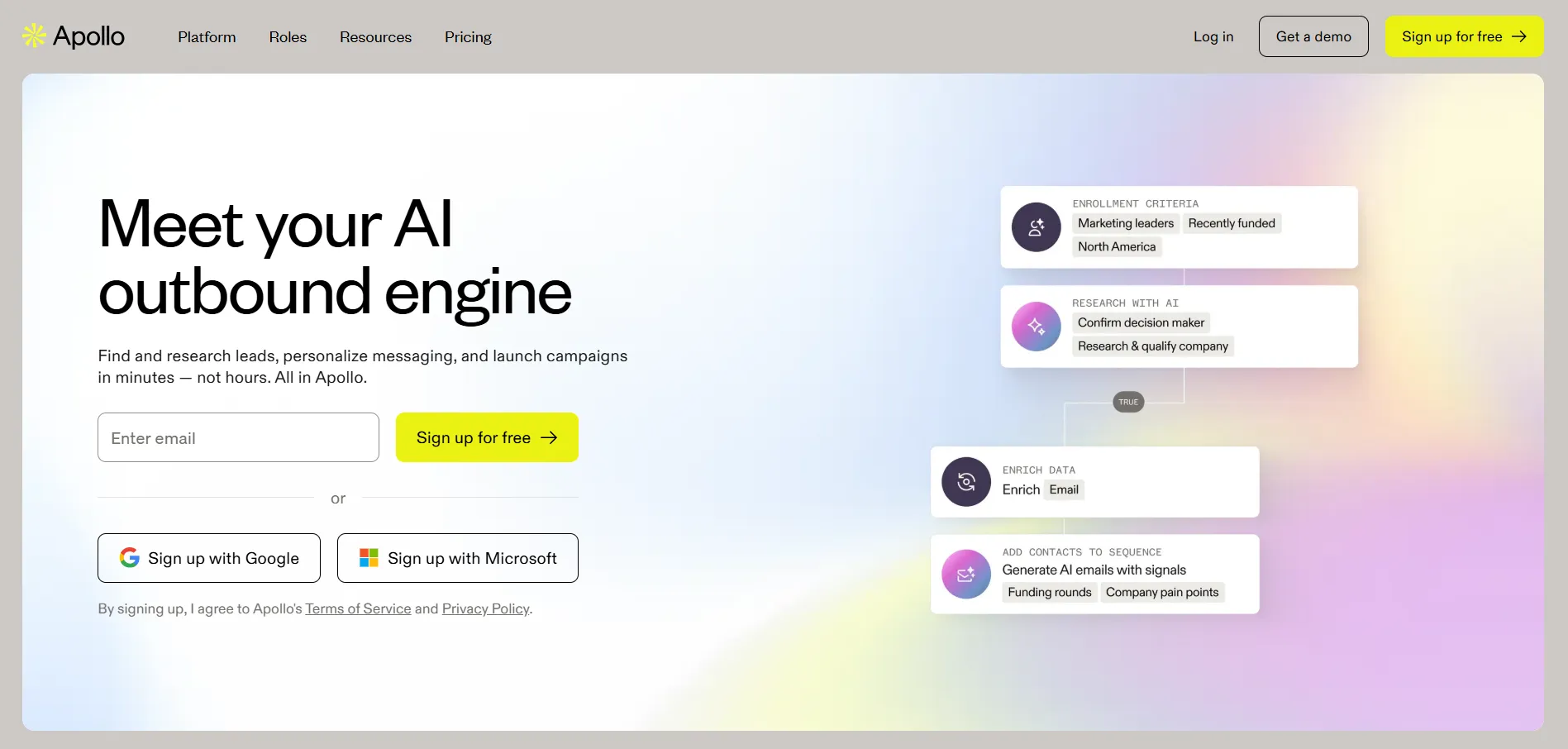
Apollo.io
Best for high-volume prospecting with built-in contact data. Covers most B2B personas globally. Good starting point for most teams.
LinkedIn Sales Navigator
Best for intent-based filtering (job changes, LinkedIn activity). The most accurate source for current title and company data. Pairs well with Clay for enrichment.

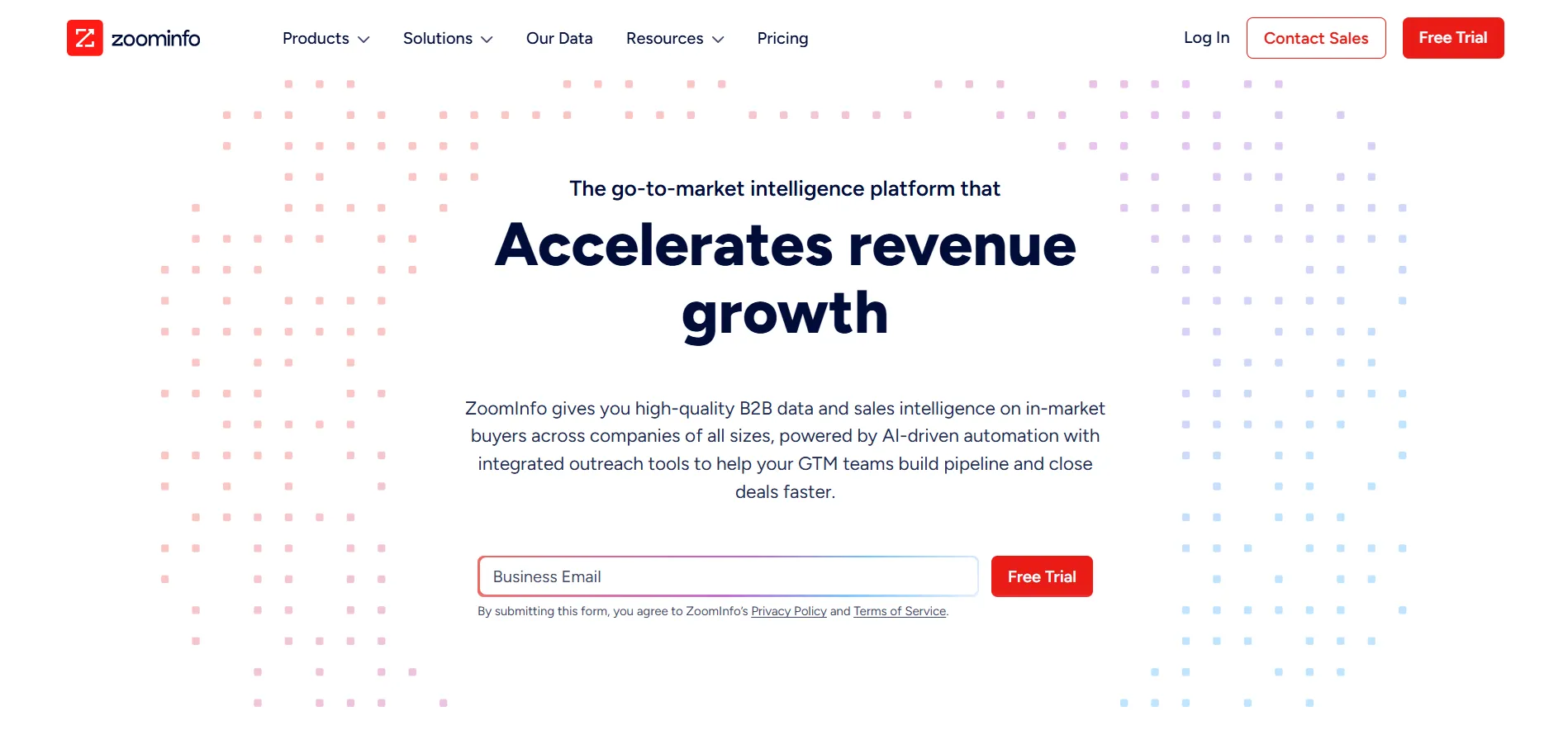
ZoomInfo
Best for enterprise accounts and US-focused lists. More expensive, but better data quality for larger companies.
Clay
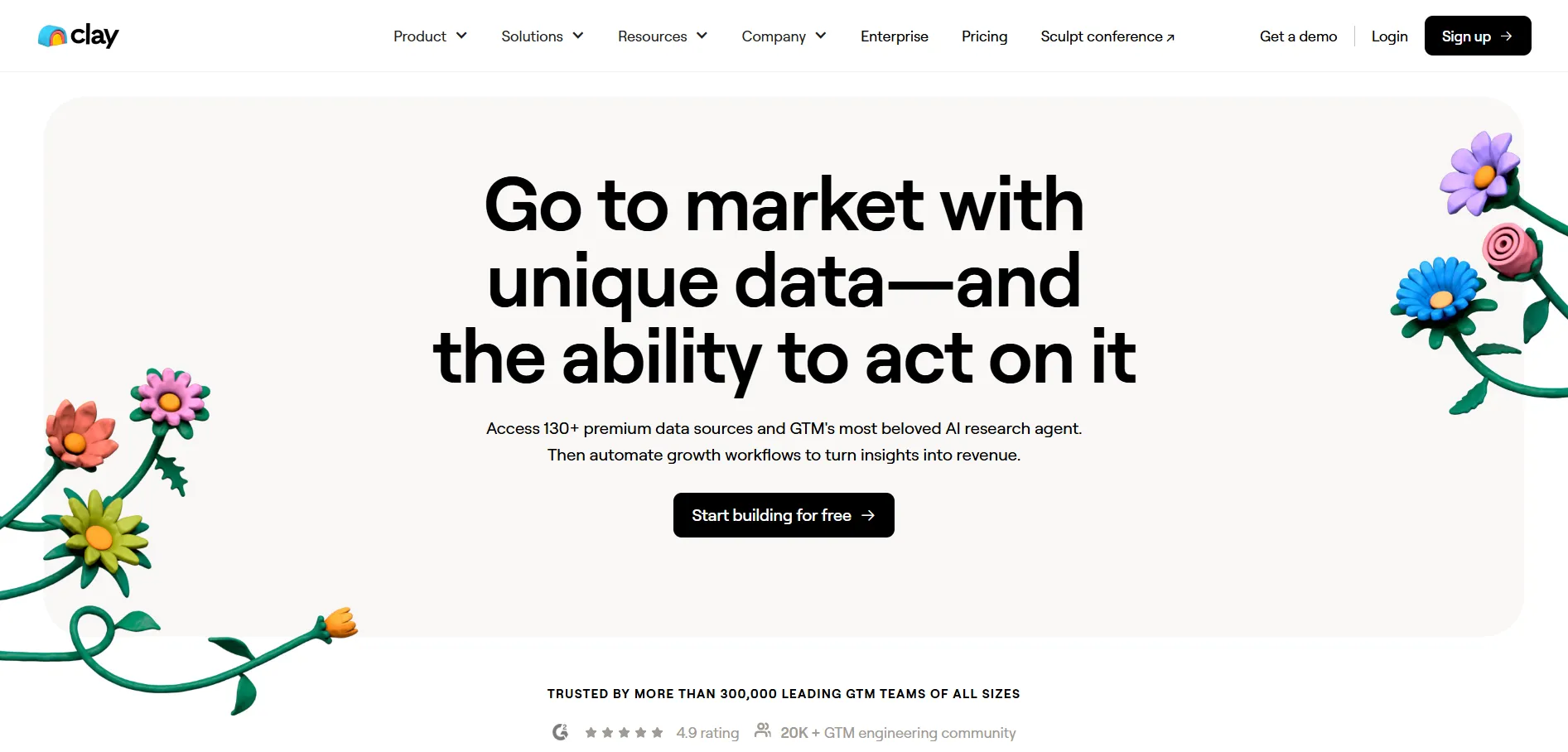
Best for waterfall enrichment pulling from multiple sources and filling gaps. Not a primary data source but the best tool for enriching and cleaning lists.
Crunchbase / PitchBook
Best for funding-triggered lists. Pull companies that just raised a Series A or B and target based on the growth signal.
Step 3: Build the Account List First, Then Add Contacts
Most reps build contact lists. The better approach is account-first: decide which companies you want to target before deciding who to reach out to.
- Pull companies matching your ICP firmographics
- Filter by technographic and behavioral signals
- Score accounts by fit and timing
- Add 2–3 contacts per account (multi-threading from day one)
This prevents the common mistake of reaching one person at a company, getting a no, and moving on when the real buyer was a different title two levels up.
Step 4: Enrich Every Contact Before Outreach
Raw list data is rarely complete. Enrich every contact with:
- Direct email + verified status Catch-all emails get you blacklisted. Use NeverBounce or ZeroBounce to verify.
- LinkedIn URL Required for LinkedIn outreach and for pulling profile context
- Recent LinkedIn activity Did they post in the last 30 days? What about?
- Company news Funding, hires, product launches from the last 90 days
- Tech stack What tools are they using? What did they just add or remove?
Step 5: Clean and Deduplicate Before Loading Into Your Sequencer
A dirty list sent through a sequencer creates deliverability problems that outlast the campaign. Before loading any list:
- Remove bounced and catch-all emails
- Deduplicate against your CRM (don't email existing customers or open opportunities)
- Check for job changes someone who moved companies 3 months ago has the wrong email
- Normalize naming conventions to prevent duplicate persona buckets
A clean list of 500 is worth more than a dirty list of 5,000.
Step 6: Segment for Personalization
Not every contact on your list should get the same message. Segment by:
- Persona VP Sales vs. CRO vs. Head of Revenue Ops each have different pain points
- Signal Funding-triggered contacts get a different opener than technographic-triggered contacts
- Company size The pain points of a 50-person SaaS company are different from a 500-person one
- Engagement history Contacts who opened emails get a different sequence than cold contacts
Frequently Asked Questions
How many leads should be on a B2B prospecting list?
Quality over quantity. A list of 200 highly qualified, enriched contacts with good personalization will outperform a list of 2,000 generic exports. Most SDRs can work 100–150 new contacts per week effectively.
How often should I refresh my B2B lead list?
Quarterly at minimum. People change jobs constantly especially in tech. A contact list built 6 months ago can be 20–30% stale depending on the industry.
What's the best tool to build a B2B lead list in 2026?
There's no single best tool. The winning stack is typically: Sales Navigator for account and contact identification, Clay for enrichment, and ZeroBounce for verification. Apollo works well as an all-in-one if you're earlier stage.
Can I buy a B2B lead list?
You can, but purchased lists have low quality, poor deliverability, and often violate GDPR/CAN-SPAM. Building your own list from intent data is always better.
Need someone to build and run your outbound list infrastructure? DevCommX builds complete GTM engines from ICP definition to enriched lists to fully managed outreach. Get in touch.










.webp)